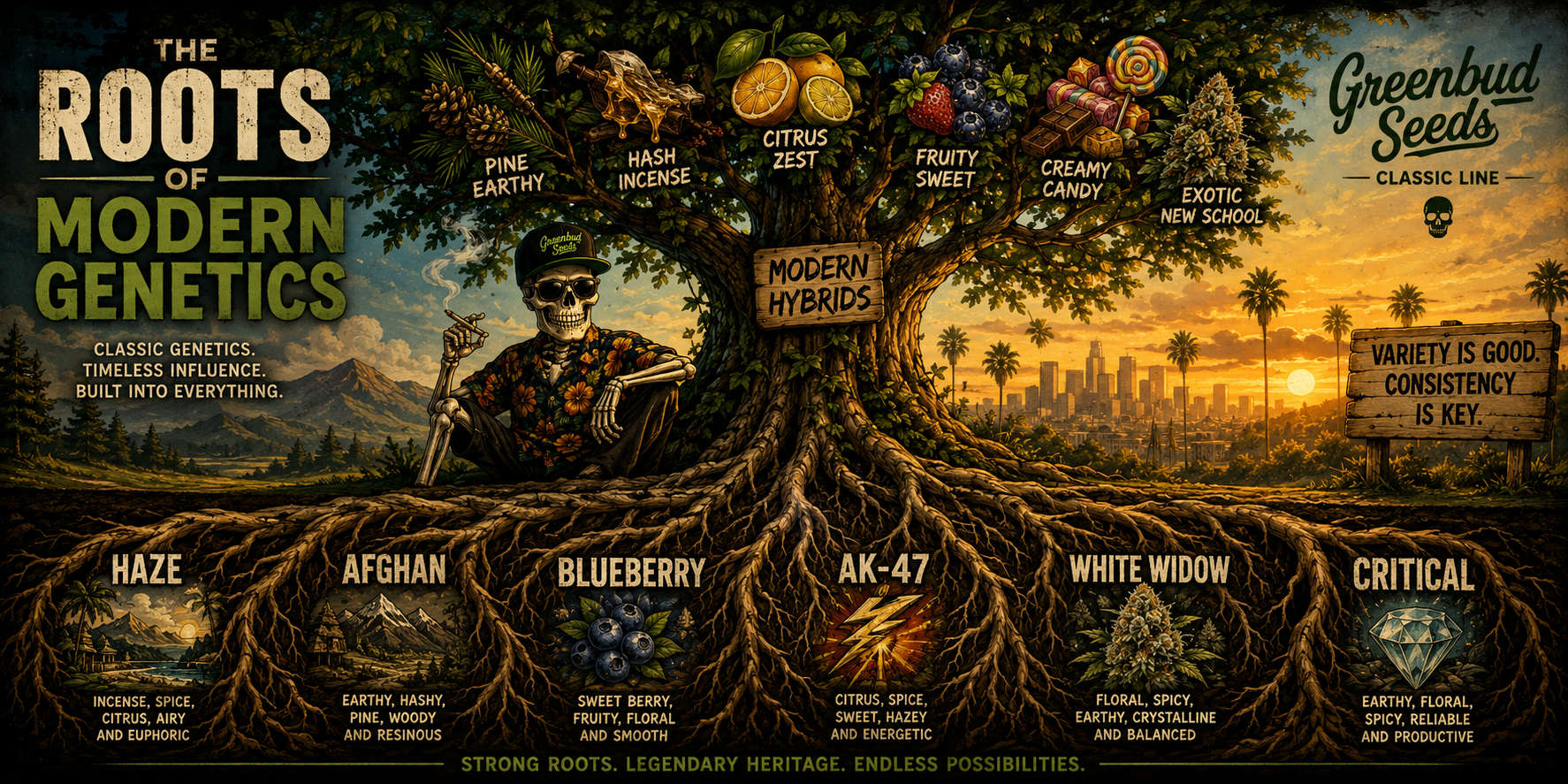
Stability, character and proven performance in a changing cannabis market
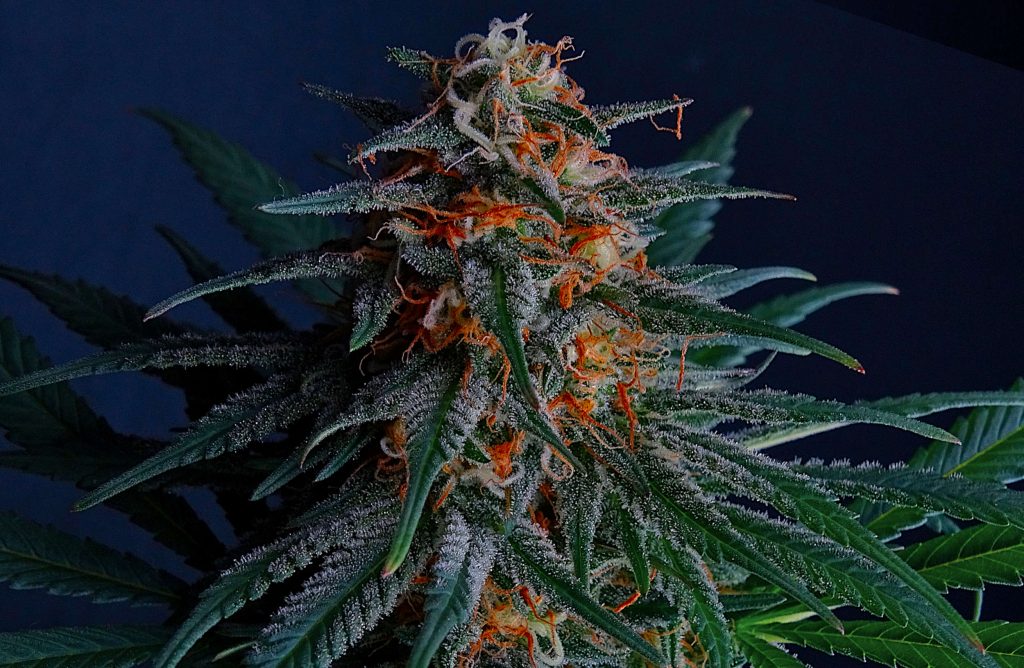
Image: Black in Black
Some genetics become classics because they work. Year after year.
INTRODUCTION
The cannabis seed industry has never stood still.
Over the past four decades, growers have witnessed the rise of countless trends: the expansion of Dutch breeding projects in the 1980s and 1990s, the global popularity of Skunk and Haze hybrids, the emergence of high-THC selections, the arrival of autoflowering genetics, and more recently, the explosion of dessert-inspired terpene profiles and highly specialised modern hybrids.
Each generation has brought new ideas, new breeding objectives and new varieties competing for attention.
Yet amid this constant evolution, some genetics have remained remarkably resilient.
Not because they are fashionable.
Not because they generate the loudest headlines.
But because they continue to offer something growers value above all else: reliability.
The varieties we now describe as classics earned that status through years of cultivation in real gardens, under real conditions and across multiple generations of growers. Their reputation was not built in a single season or through marketing alone. It was established through consistency, stability and the ability to perform time and time again.
Many of the characteristics that modern breeders still seek today, vigour, structural integrity, resin production, distinctive terpene profiles and dependable yields, were refined and preserved within these foundational genetic lines long before the latest trends appeared.
In many respects, classic genetics form the genetic backbone of modern cannabis breeding. Their influence can still be found in countless contemporary hybrids, even when their names no longer appear on the label.
In a market increasingly driven by novelty, revisiting these varieties offers more than a lesson in cannabis history. It provides a reminder that truly exceptional genetics are not defined by how new they are, but by how well they continue to perform long after the excitement of their initial release has faded.
These are the varieties that built reputations, earned trust and continue to justify their place in gardens around the world, season after season.
WHAT MAKES A GENETIC CLASSIC?
In cannabis breeding, age alone does not create a classic.
Thousands of varieties have appeared over the past several decades. Many enjoyed a brief moment of popularity before gradually disappearing from seed catalogues and grow rooms. Only a small number have managed to remain relevant across changing markets, cultivation trends and generations of growers.
What separates a classic from a forgotten release is consistency.
A true classic earns its reputation through repeated performance over time. Growers return to these genetics because they know what to expect: reliable growth patterns, predictable flowering behaviour, recognisable terpene profiles and effects that remain remarkably consistent from one generation to the next.
These varieties become reference points within the cannabis community. They establish benchmarks against which newer genetics are often compared.
When growers describe a variety as having a “Haze influence,” a “classic Afghan structure” or an “AK-style effect,” they are drawing upon a shared genetic vocabulary built by decades of cultivation experience.
Many of the most influential breeding families emerged during the formative years of modern cannabis breeding. Haze contributed soaring sativa characteristics and complex incense-like aromas. Afghan lines became renowned for their compact structure, resin production and resilience. Skunk introduced vigour and uniformity. Blueberry helped define fruit-forward terpene profiles. White Widow, Critical and AK-47 demonstrated how stability, productivity and potency could be successfully combined within commercially viable genetics.
The importance of these lines extends far beyond the varieties themselves. Their genetic influence continues to shape countless modern hybrids, often serving as the foundation upon which newer breeding projects are built.
In many respects, the modern cannabis landscape resembles a vast family tree. New hybrids may capture attention with novel combinations and contemporary terpene expressions, but many of their defining characteristics can still be traced back to a relatively small number of foundational genetics that helped shape the industry as we know it today.
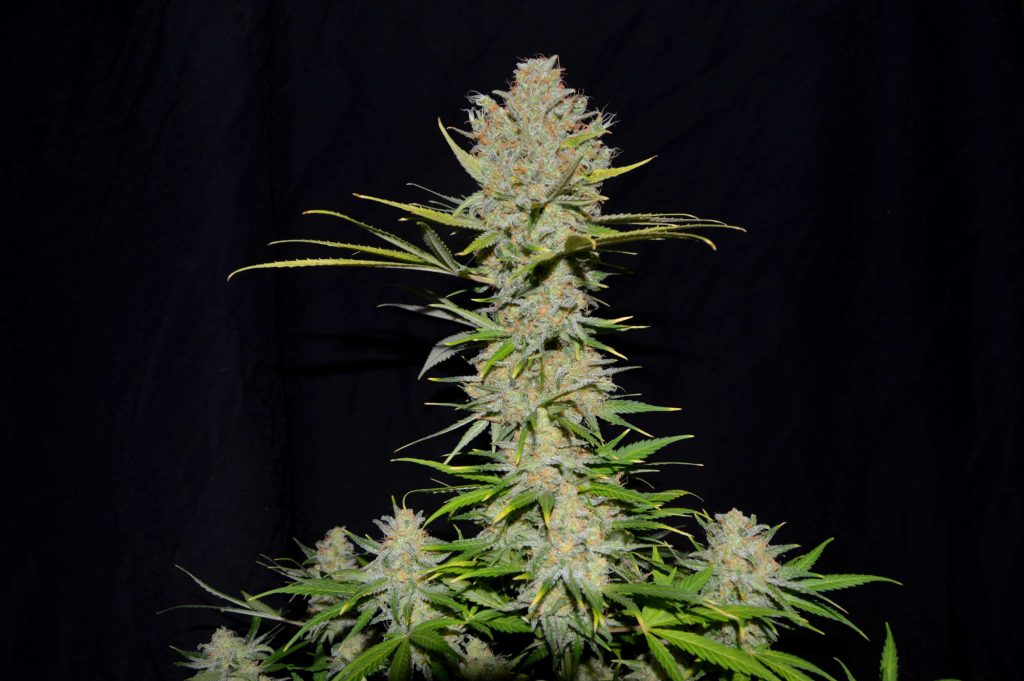
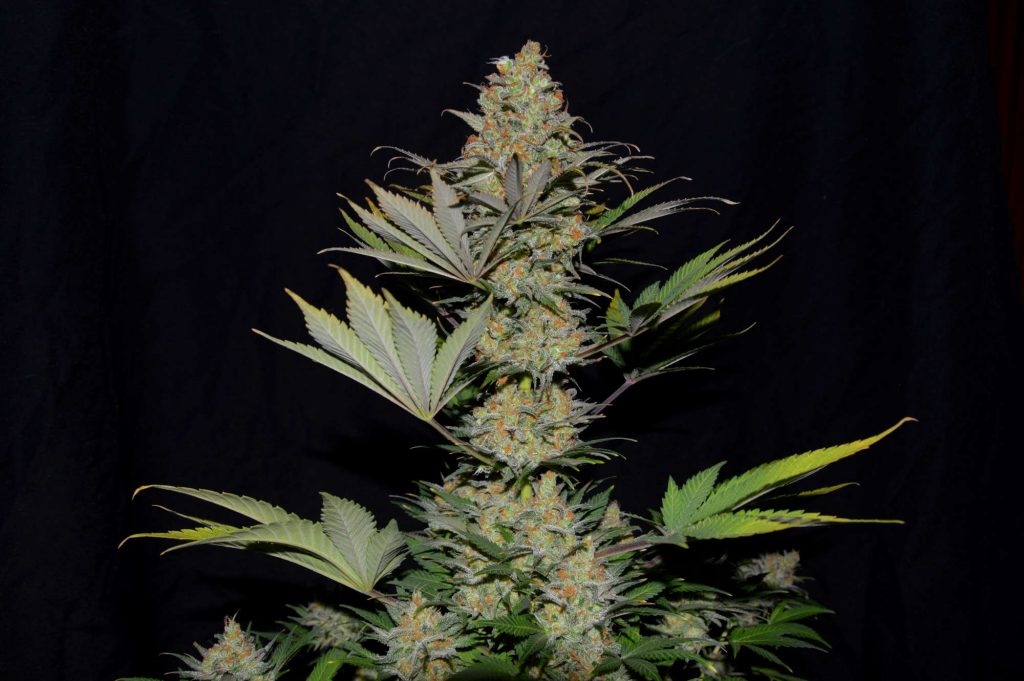
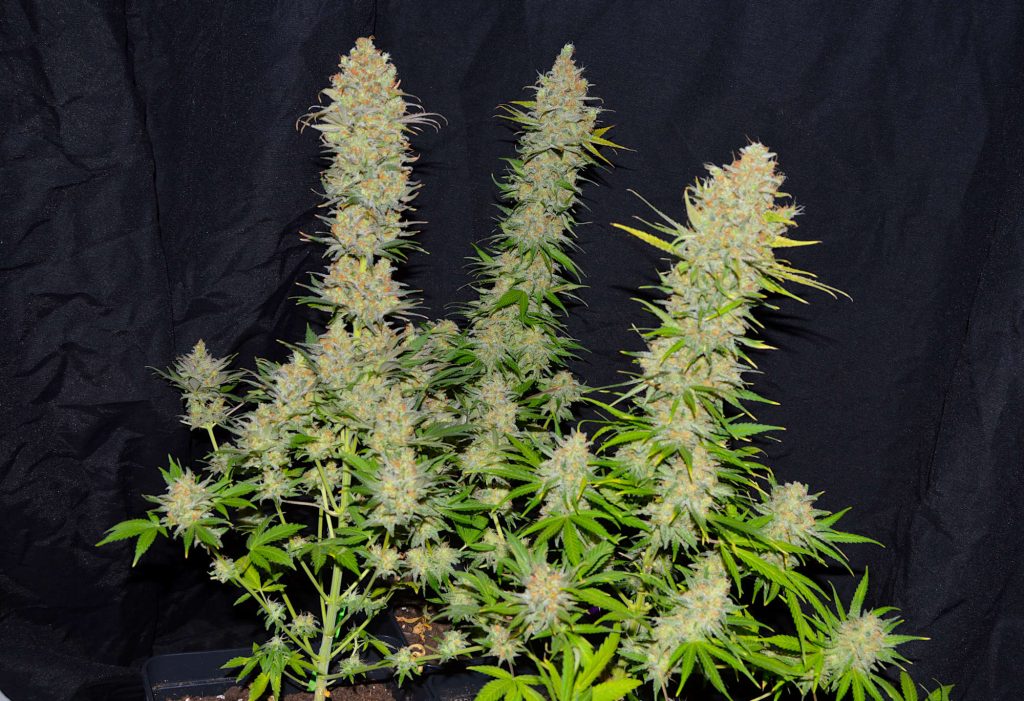
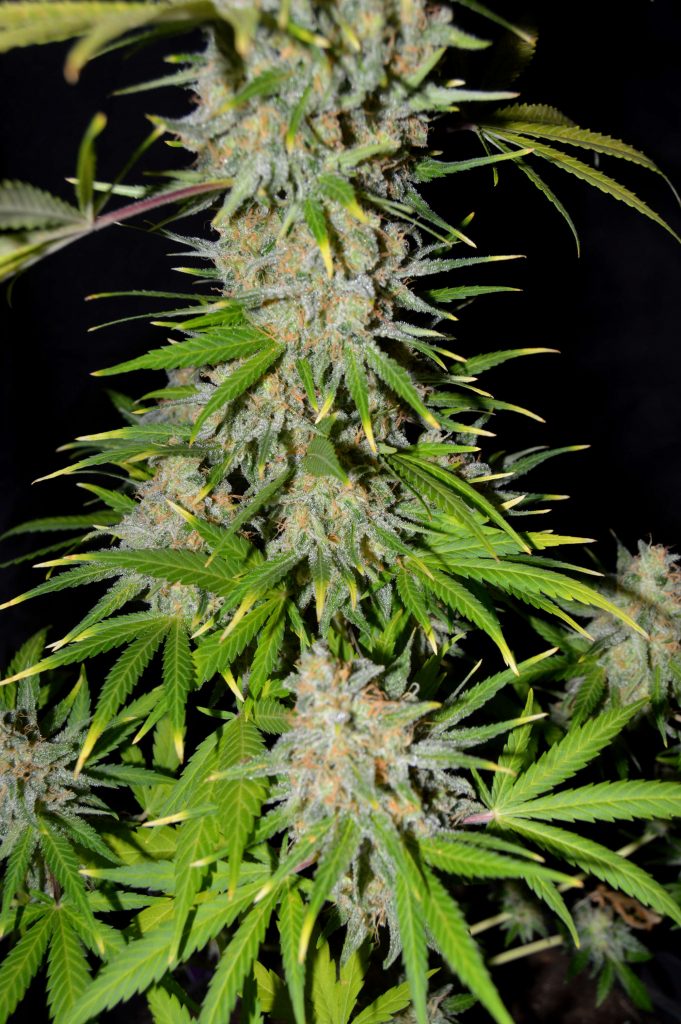
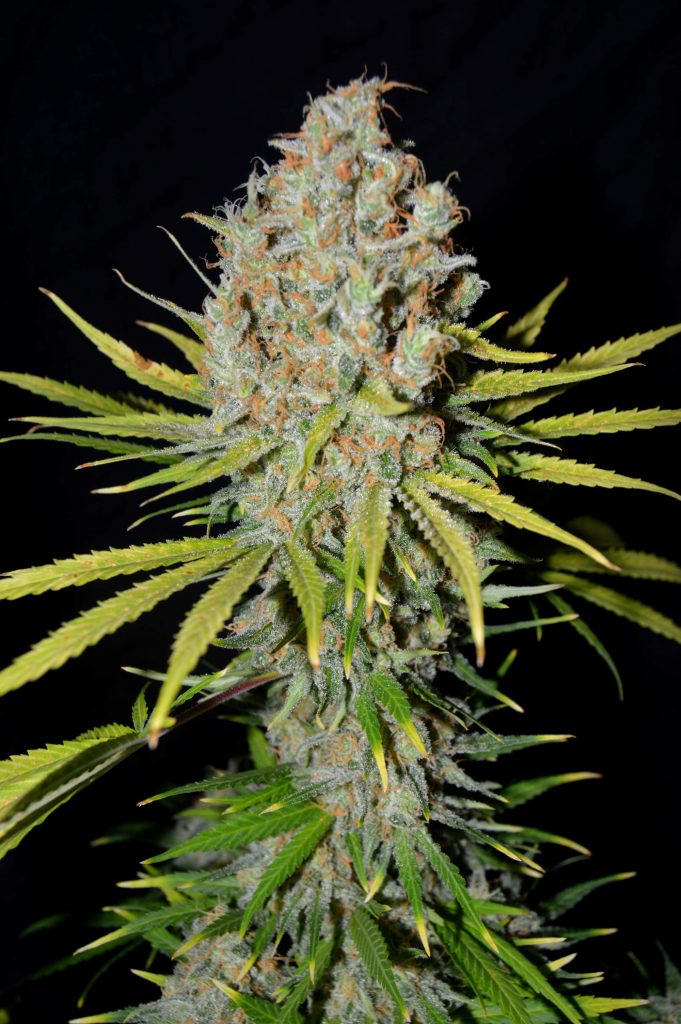
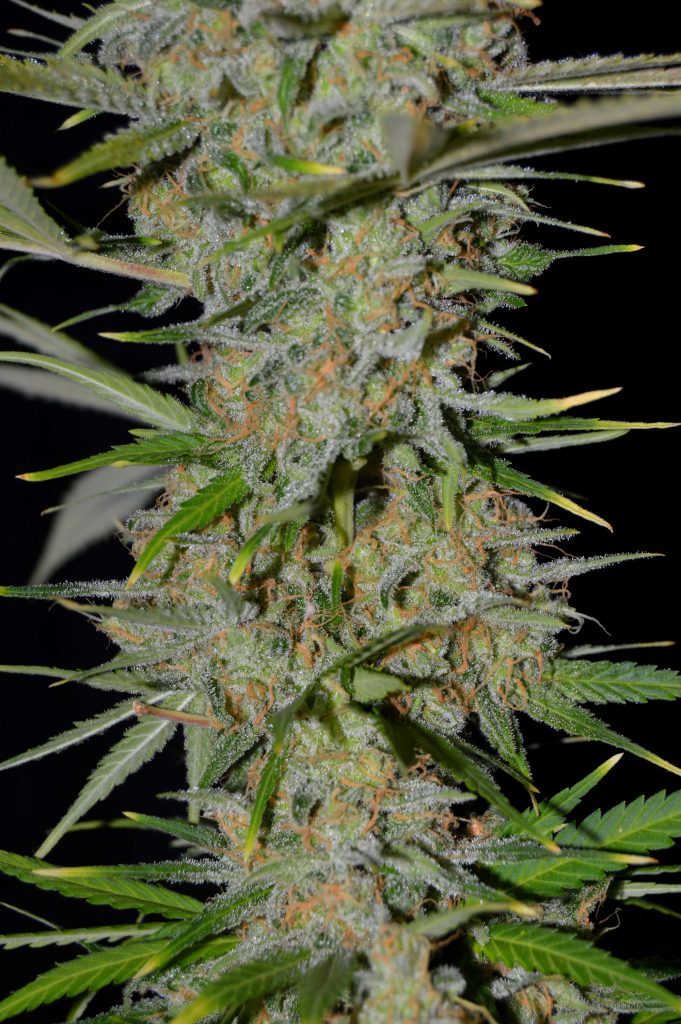
Image: Jawbreaker 47
Mexican Haze × AK47. A meeting point between classic Haze expression and one of the most influential modern hybrids ever created.
WHY CLASSIC GENETICS STILL MATTER
STABILITY
In an industry that often celebrates innovation, stability remains one of the most undervalued qualities in cannabis breeding.
For many experienced growers, the true test of a variety is not how exceptional a single plant can be, but how consistently a population performs over time. A variety that delivers predictable results across multiple cultivation cycles is often far more valuable than one capable of producing occasional standout phenotypes surrounded by inconsistency.
This is where classic genetics continue to distinguish themselves.
The most respected classic varieties were not selected solely for potency, yield or aroma. They survived because they repeatedly demonstrated a combination of desirable traits under a wide range of cultivation conditions. Their growth patterns became familiar, their flowering behaviour predictable and their final results dependable.
For the cultivator, this predictability has practical value. Knowing how a plant is likely to stretch after the photoperiod change, how long it will take to mature, how it responds to training techniques or how it performs in different environments allows for better planning and more efficient crop management.
Outdoor growers often appreciate stability for another reason. Weather conditions are rarely identical from one season to the next. A genetic line that has proven capable of adapting to varying temperatures, rainfall patterns and environmental stresses offers a level of confidence that cannot be measured solely through laboratory analysis.
The same principle applies to commercial cultivation. Consistency in plant structure, flowering times and yield potential simplifies crop management and helps ensure more uniform harvests. For breeders, retailers and growers alike, reliability is not simply a desirable trait. It is one of the foundations upon which long-term reputations are built.
This is perhaps one of the defining characteristics of classic cannabis genetics. They have already undergone the most demanding evaluation process possible: years of cultivation by thousands of growers in countless gardens, climates and cultivation systems.
The varieties that continue to be grown decade after decade have done so for a simple reason.
They have earned the trust of the people who grow them.
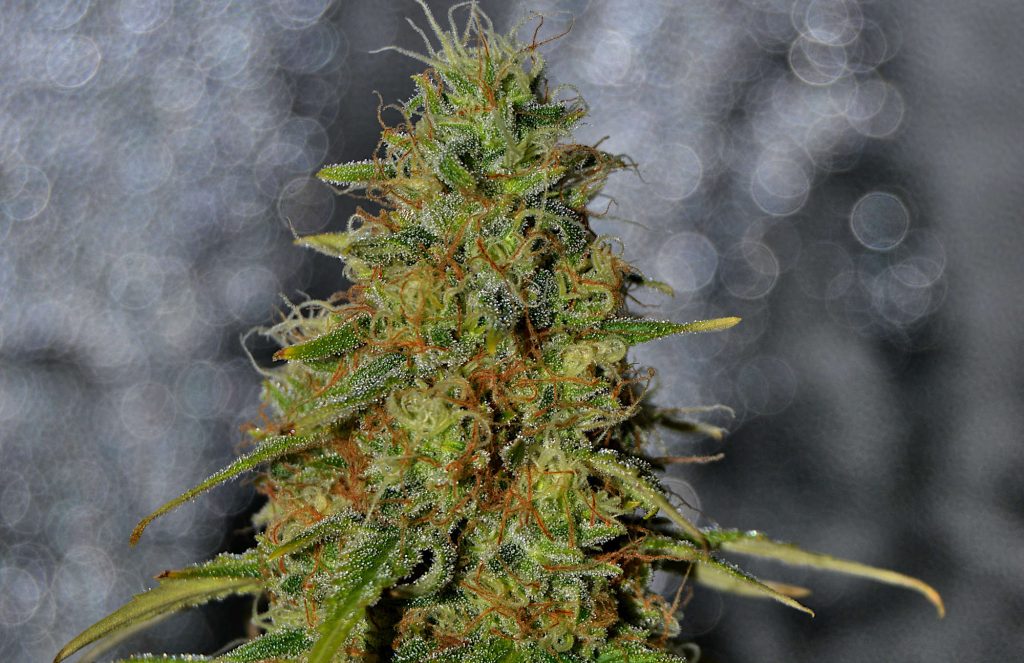
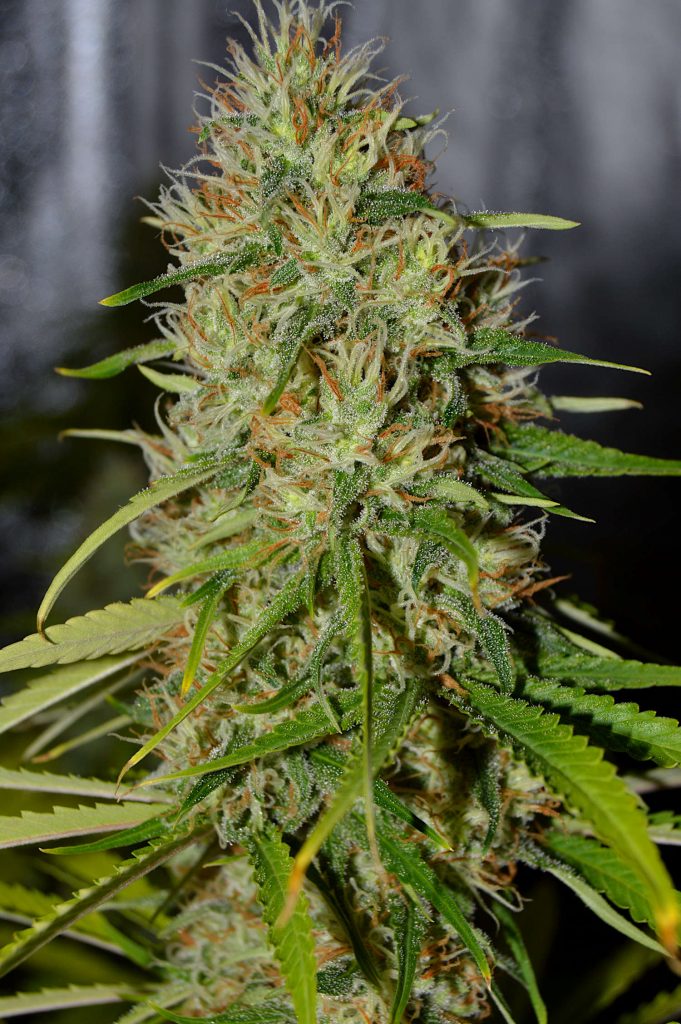
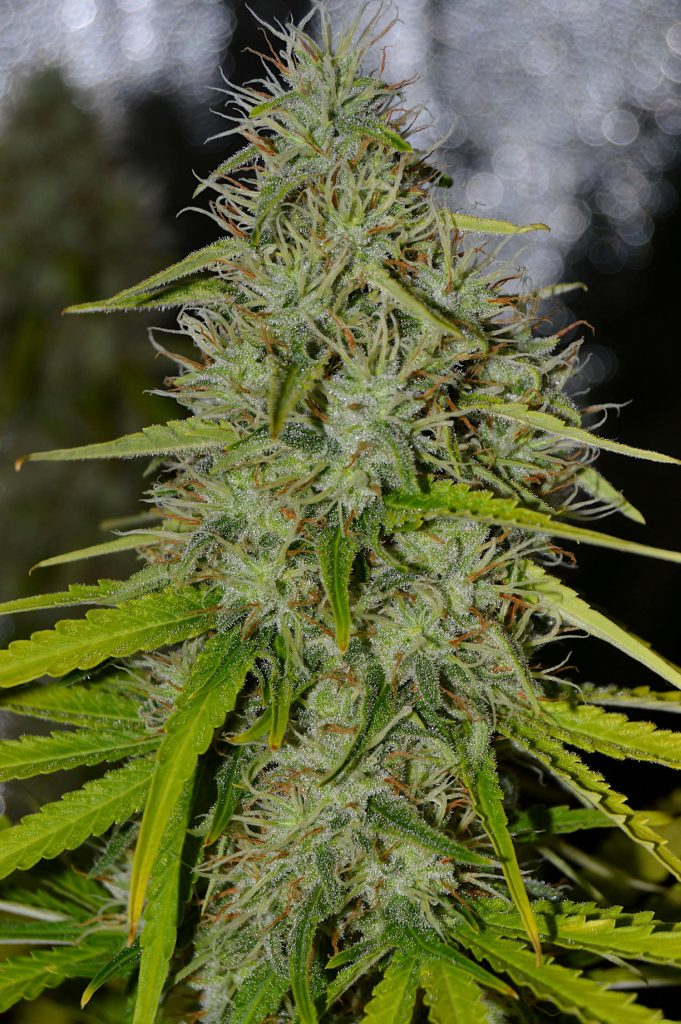
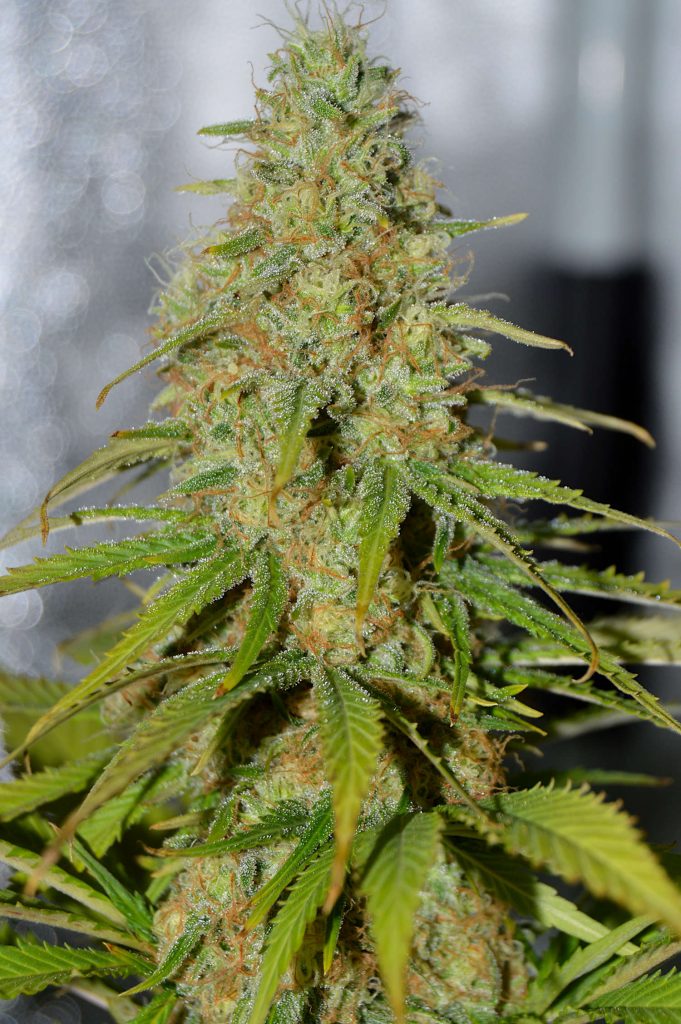
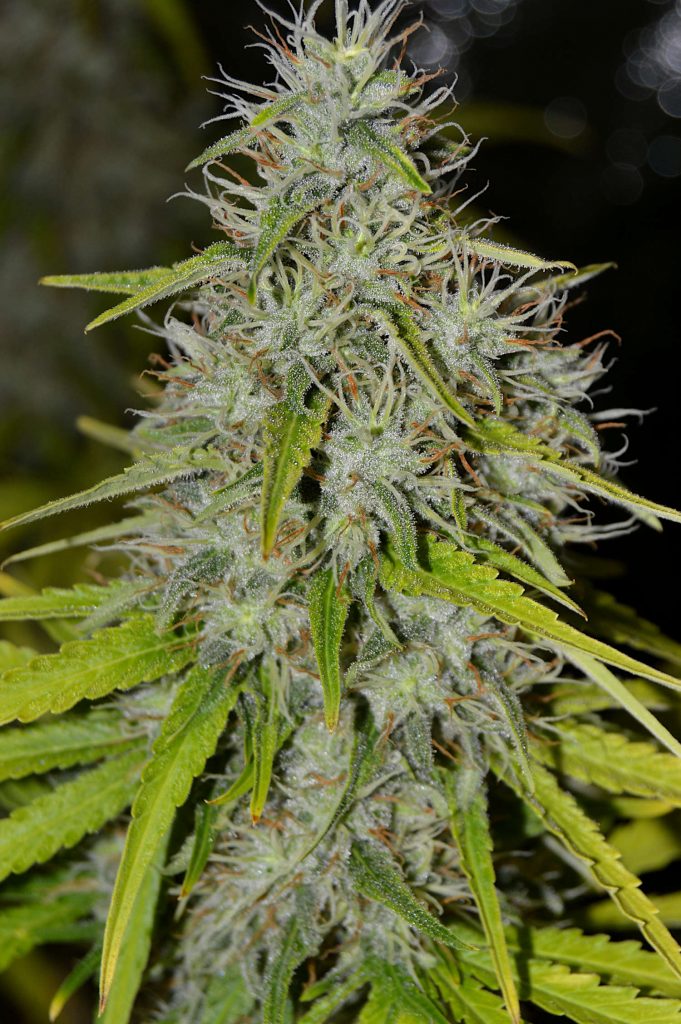
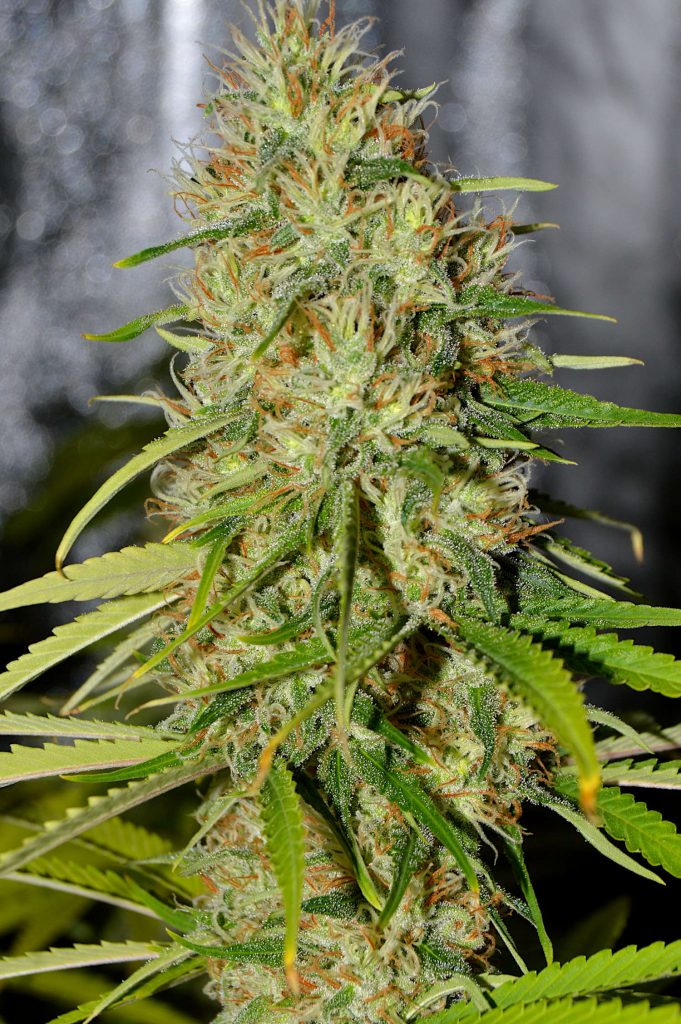
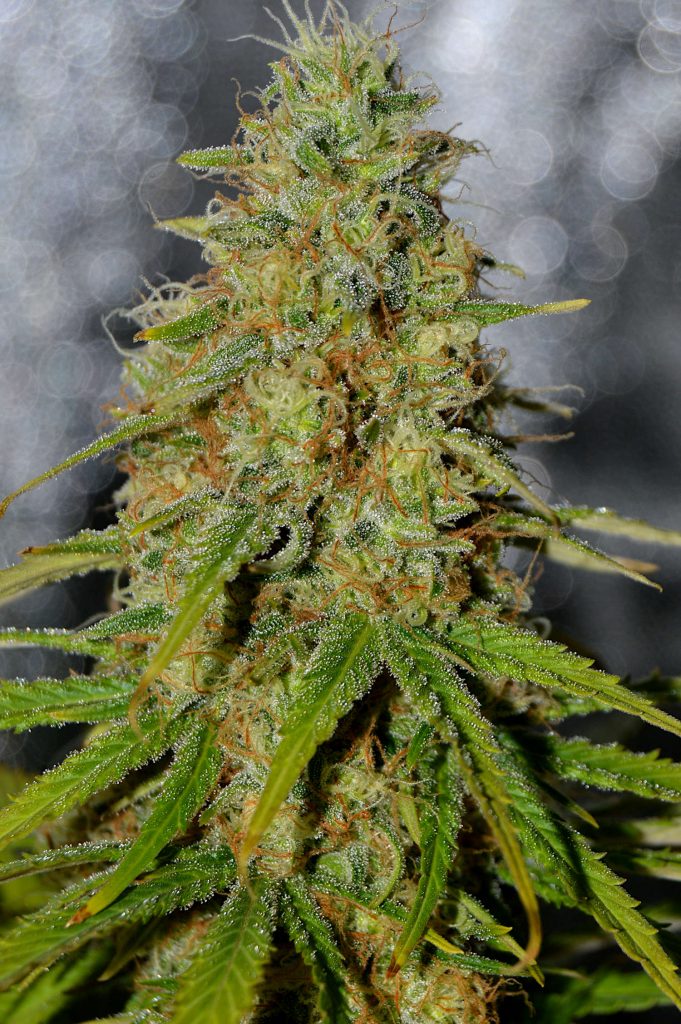
Image: Black in Black
Black Domina × Black Domina. A modern classic built around consistency, density and unmistakable character.
GENETIC IDENTITY
Modern cannabis breeding has produced an extraordinary diversity of varieties. New terpene profiles emerge every year, breeders continue to experiment with increasingly complex crosses, and today’s seed catalogues offer a level of genetic diversity that would have been difficult to imagine just a few decades ago.
Yet beneath this apparent diversity, many contemporary varieties still share a common genetic heritage.
Much of modern cannabis breeding can be traced back to a relatively small number of foundational genetic families that helped define the characteristics growers continue to seek today.
Haze remains one of the most influential examples. Originally developed from a combination of tropical and equatorial sativa lines, Haze introduced soaring cerebral effects, vigorous growth and the distinctive incense, spice and citrus notes that continue to appear throughout countless modern hybrids. Even today, many breeders still use Haze-derived genetics when seeking complexity, energy and aromatic depth.
Afghan lines have played an equally important role. Their compact structure, rapid flowering, exceptional resin production and environmental resilience made them indispensable breeding tools throughout the development of modern indica and hybrid varieties. Much of the density, robustness and resin coverage seen in contemporary genetics can be traced back to these mountain-origin populations.
Blueberry helped establish an entirely different branch of cannabis breeding. Long before fruit-forward terpene profiles became one of the industry’s dominant trends, Blueberry demonstrated that distinctive berry aromas, colourful expressions and refined flavour profiles could be successfully combined with reliable cultivation characteristics. Its influence can still be found in countless modern dessert, candy and fruit-oriented hybrids.
Varieties such as White Widow, Critical and AK-47 also left a lasting mark on the industry. Each contributed something unique: resin production, commercial viability, vigour, potency, structural balance or cultivation efficiency. Their continued presence in breeding projects decades after their introduction reflects the value of the traits they helped preserve.
This is one of the reasons classic genetics remain so important.
They provide context.
When growers identify a floral note reminiscent of Haze, the dense resin production of an Afghan-derived line or the sweet berry profile associated with Blueberry, they are recognising traits that have been passed down through generations of breeding work.
Classic genetics serve as the reference points of modern cannabis cultivation. They help explain where certain flavours, effects and growth characteristics originate, while providing a framework for understanding how contemporary varieties evolved.
Without these foundational lines, much of the genetic vocabulary of modern cannabis simply would not exist.
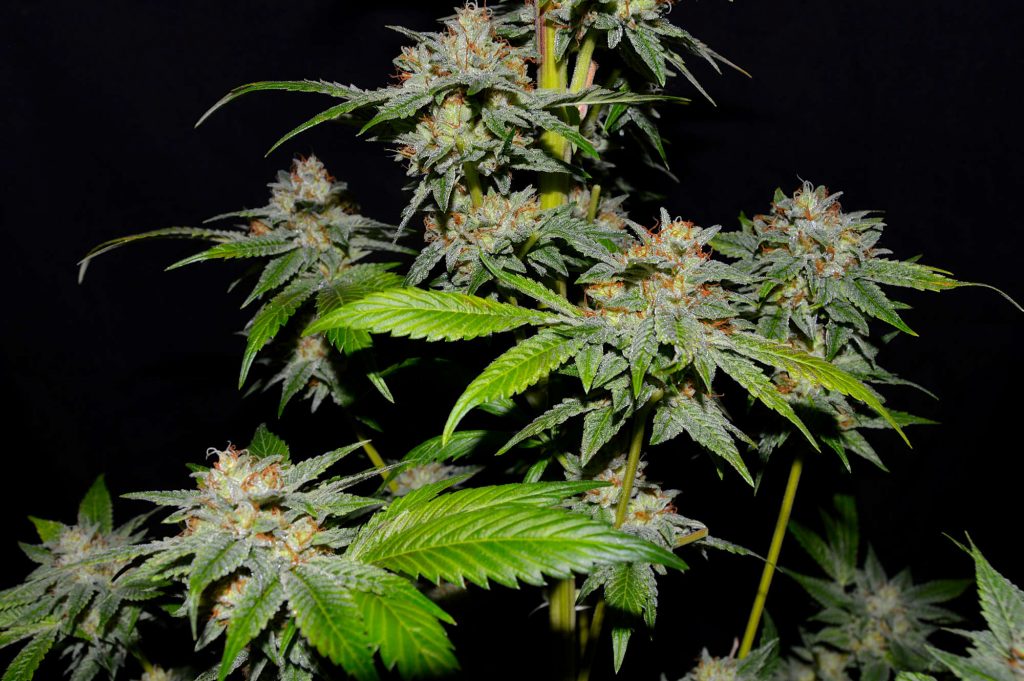
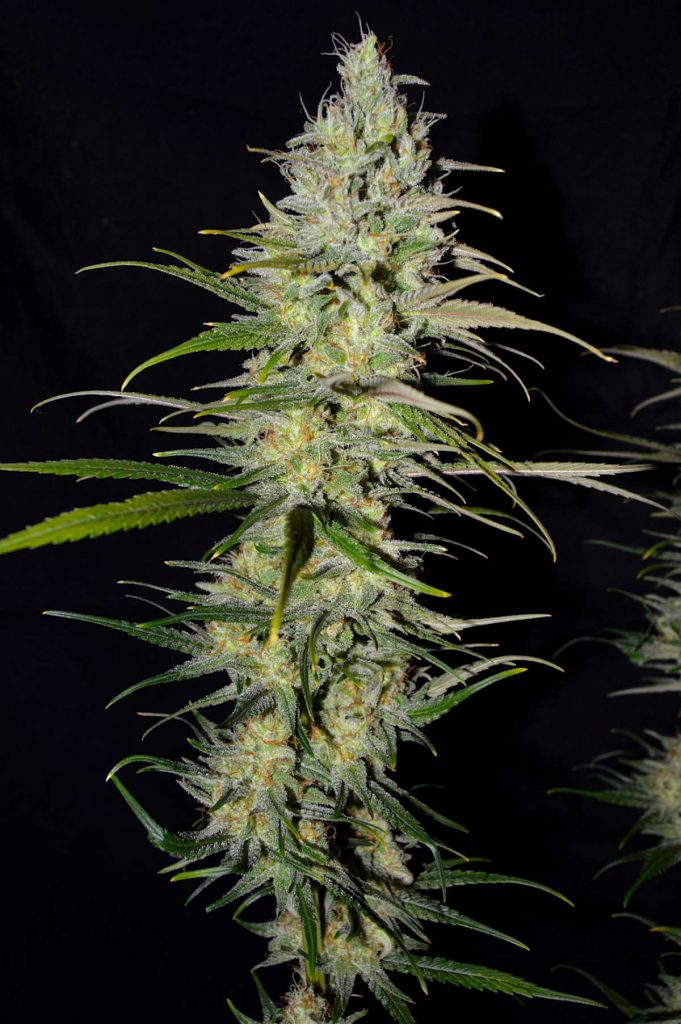
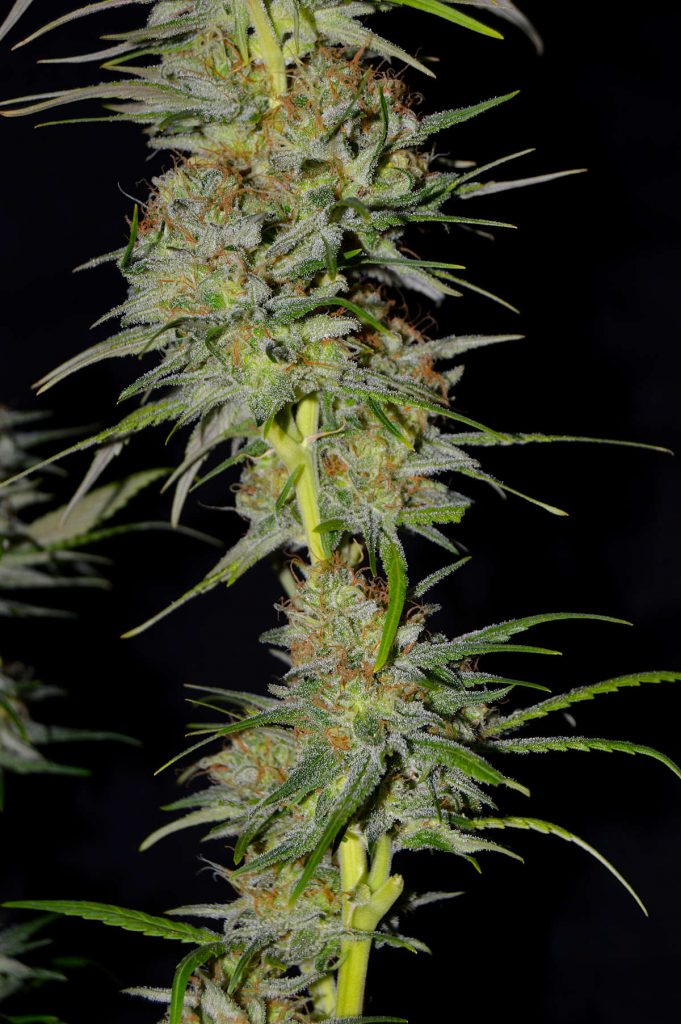
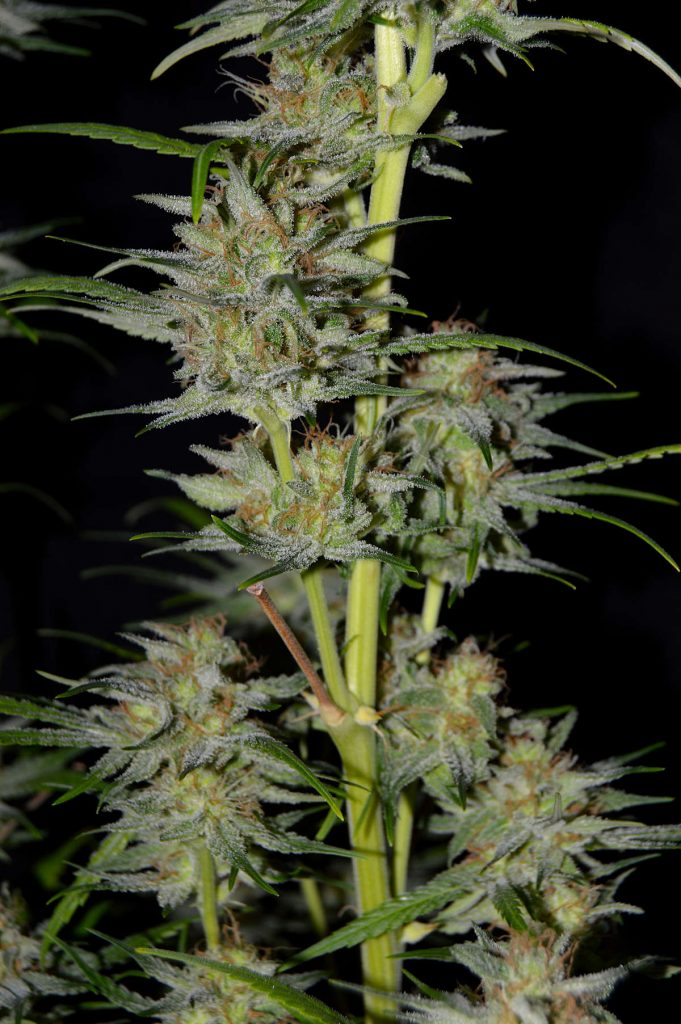
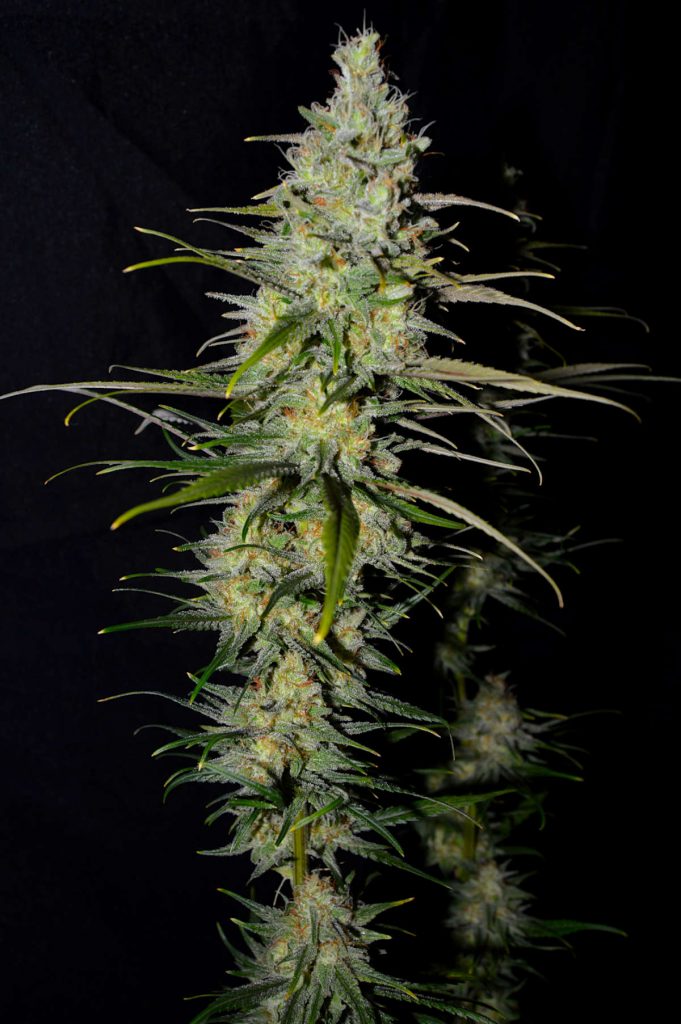
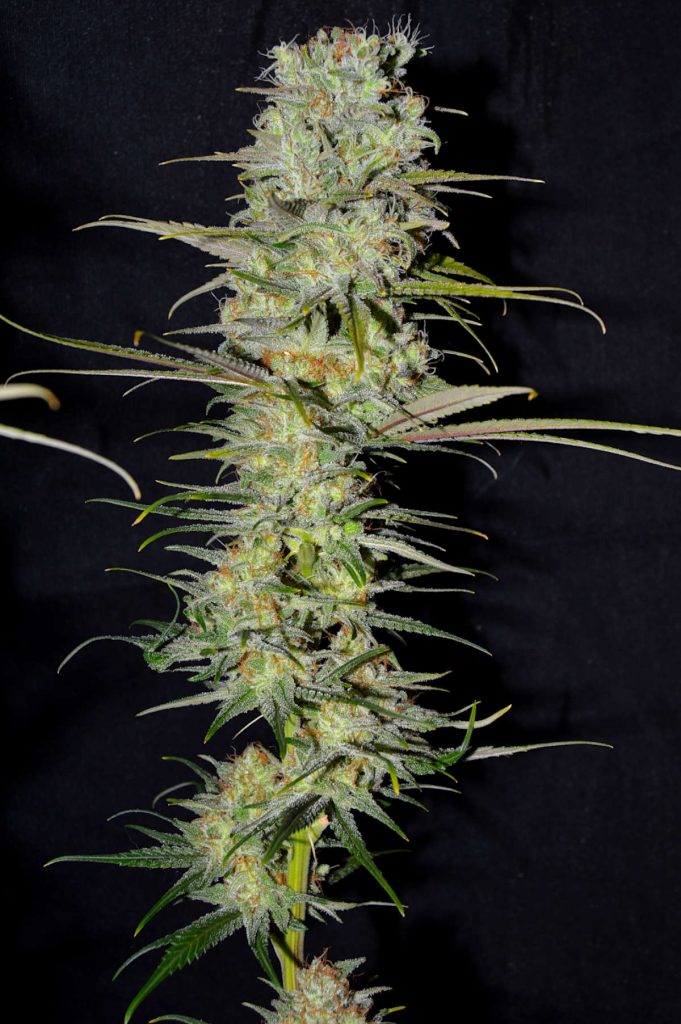
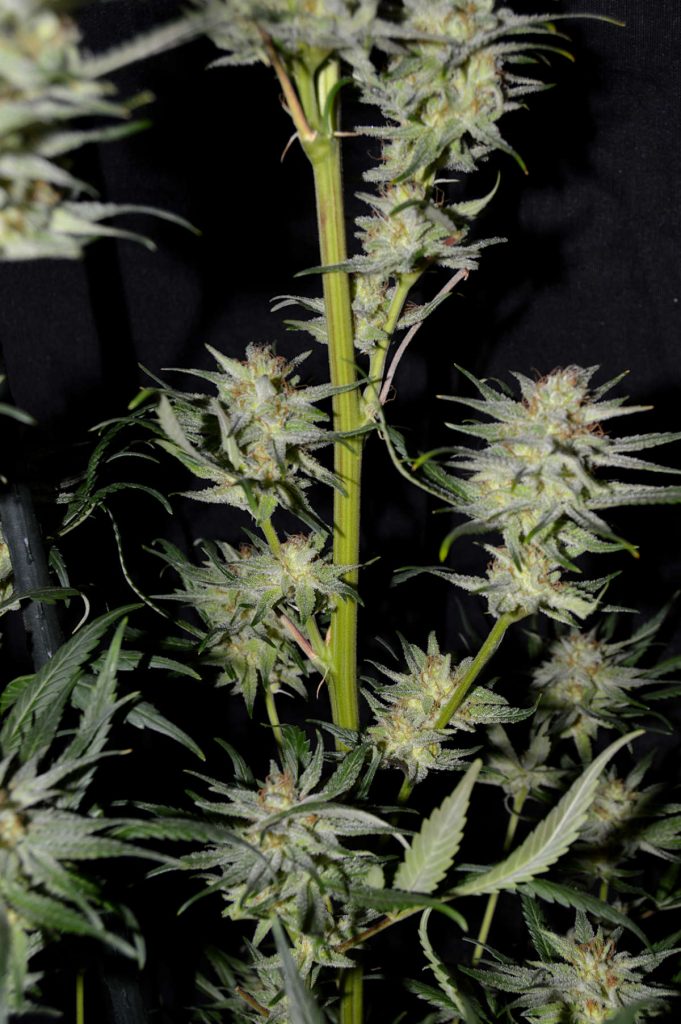
Image: Blueberry 99
Cinderella 99 × Blueberry. A bridge between classic fruit genetics and modern cultivation.
EASE OF CULTIVATION
One of the less celebrated, yet most important, reasons classic genetics continue to endure is their practicality in the garden.
While flavour profiles, cannabinoid content and visual appeal often dominate discussions, cultivation performance remains the factor that ultimately determines whether a variety earns a lasting place in a grower’s rotation.
The history of cannabis breeding is filled with varieties that generated excitement upon release but gradually disappeared because they proved difficult to cultivate consistently. Some were overly sensitive to environmental fluctuations, others displayed excessive phenotypic variation, and many simply failed to deliver reliable results across different growing conditions.
Classic genetics followed a different path.
Many of the varieties that have survived for decades earned their reputation not only through their effects or aromas, but through their behaviour in cultivation. They demonstrated strong vigour, healthy root development, predictable flowering patterns and an ability to perform consistently across a wide range of environments.
This adaptability became particularly valuable as cannabis cultivation expanded beyond its traditional regions. Growers working in different climates, cultivation systems and production scales increasingly relied on varieties capable of delivering dependable results without requiring highly specialised conditions.
For newer growers, these characteristics often translate into a more forgiving cultivation experience. For experienced cultivators, they provide something equally valuable: predictability. Understanding how a plant is likely to develop, how it responds to training techniques, how much it stretches during flowering and when it is likely to finish allows for more efficient crop management and more consistent harvests.
This practical philosophy continues to influence modern breeding projects today.
One notable example is the development of Early Version varieties. Rather than reinventing proven genetic lines, Early Versions seek to adapt them to specific cultivation challenges, particularly those faced by outdoor growers in regions with shorter seasons or increasingly unpredictable autumn weather.
By combining the familiar character of established genetics with earlier finishing times, these varieties offer a practical refinement of already proven foundations. The result is not a departure from classic breeding principles, but an extension of them: preserving the traits growers value while improving their suitability for contemporary cultivation conditions.
In many ways, this ability to adapt without losing identity is one of the reasons classic genetics remain relevant. Good breeding is not simply about creating something new. It is also about recognising what already works and finding ways to make it work even better.
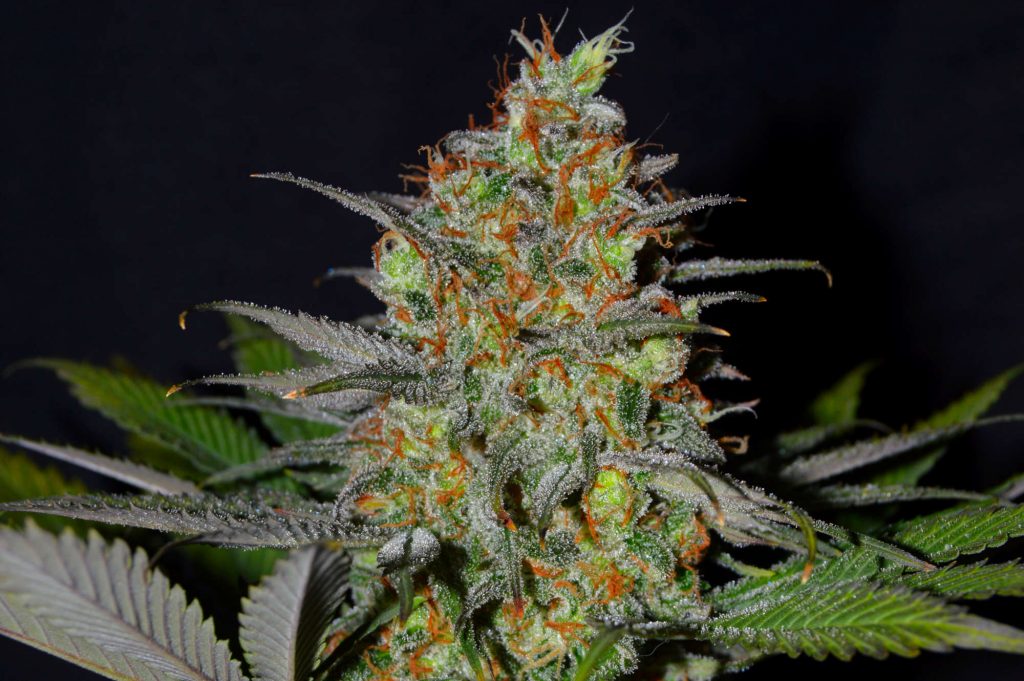
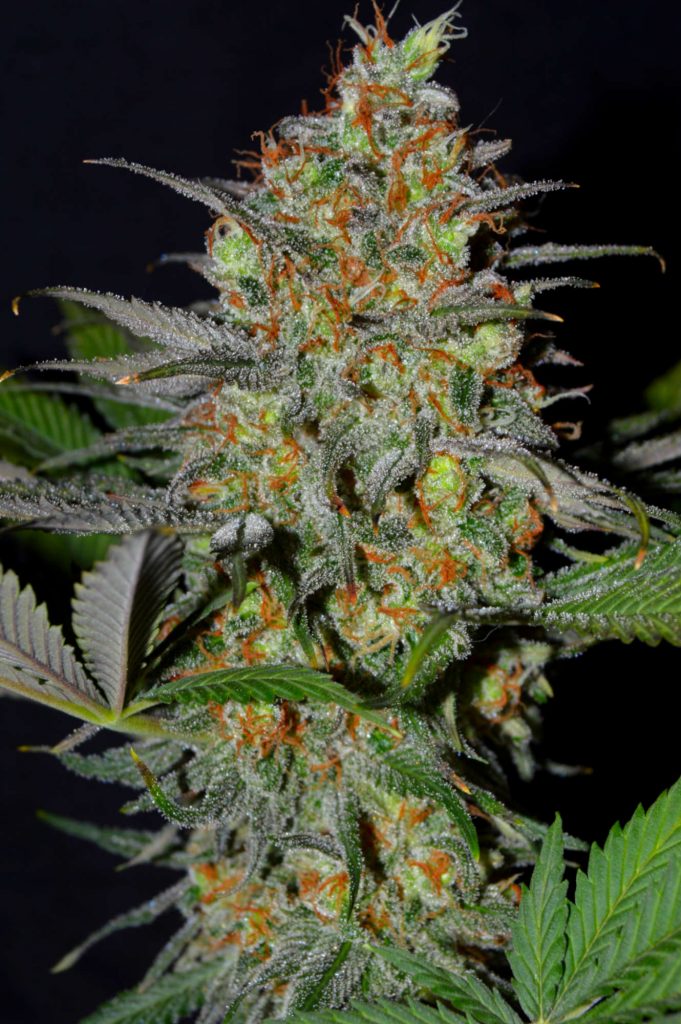
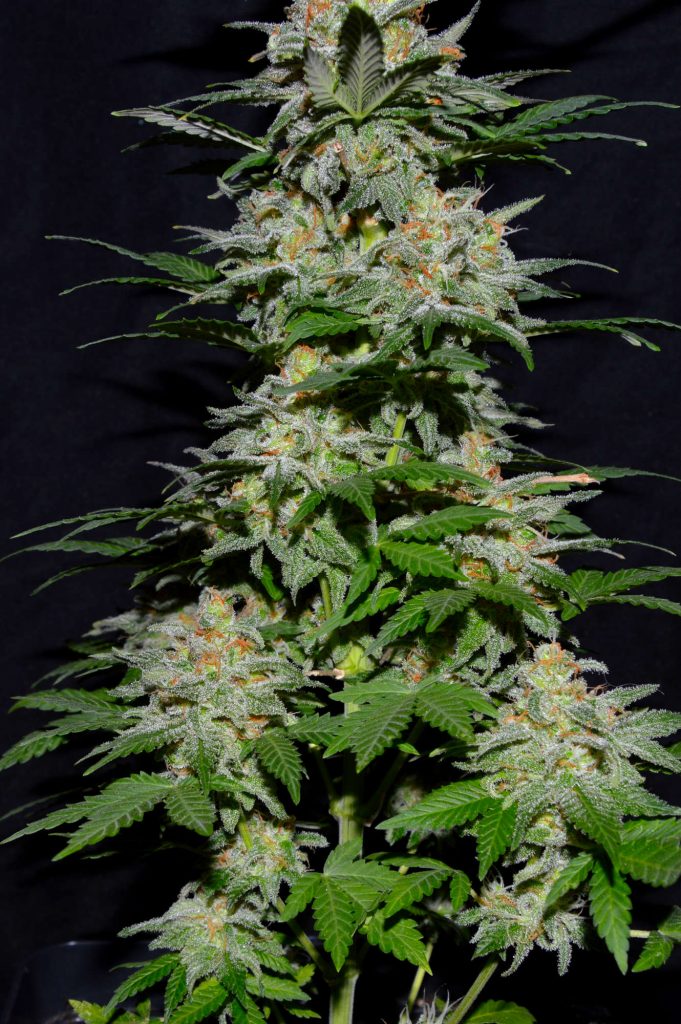
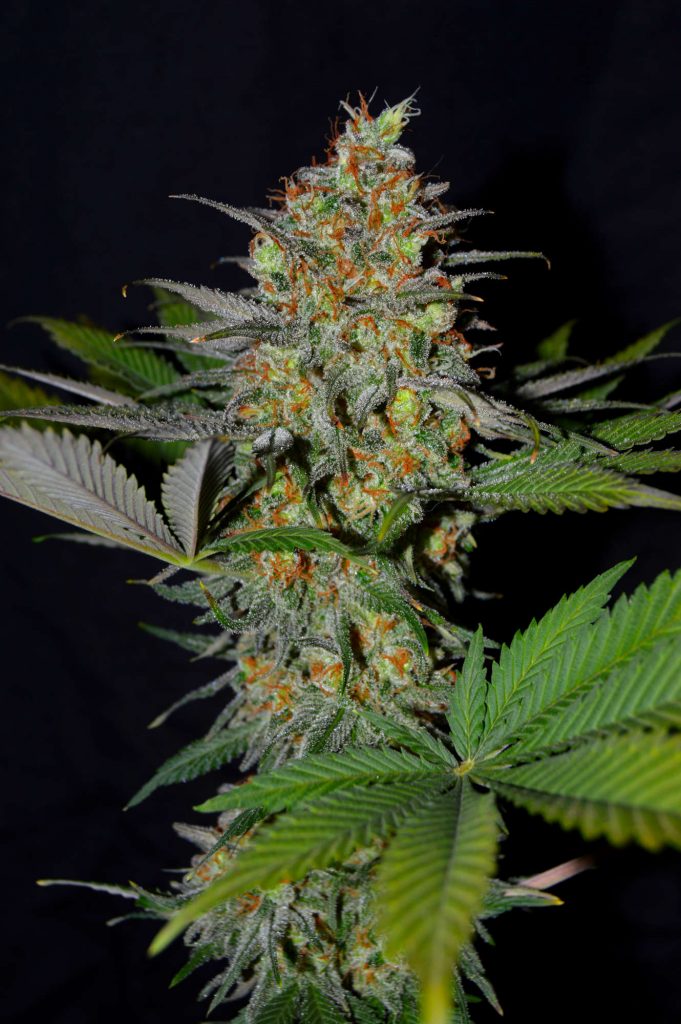
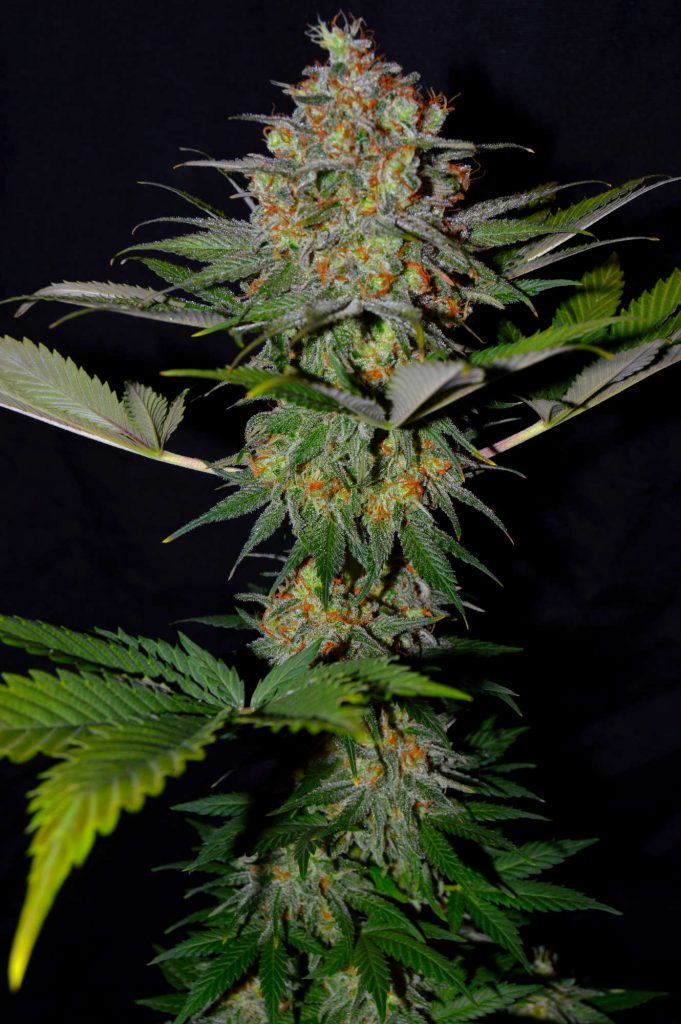
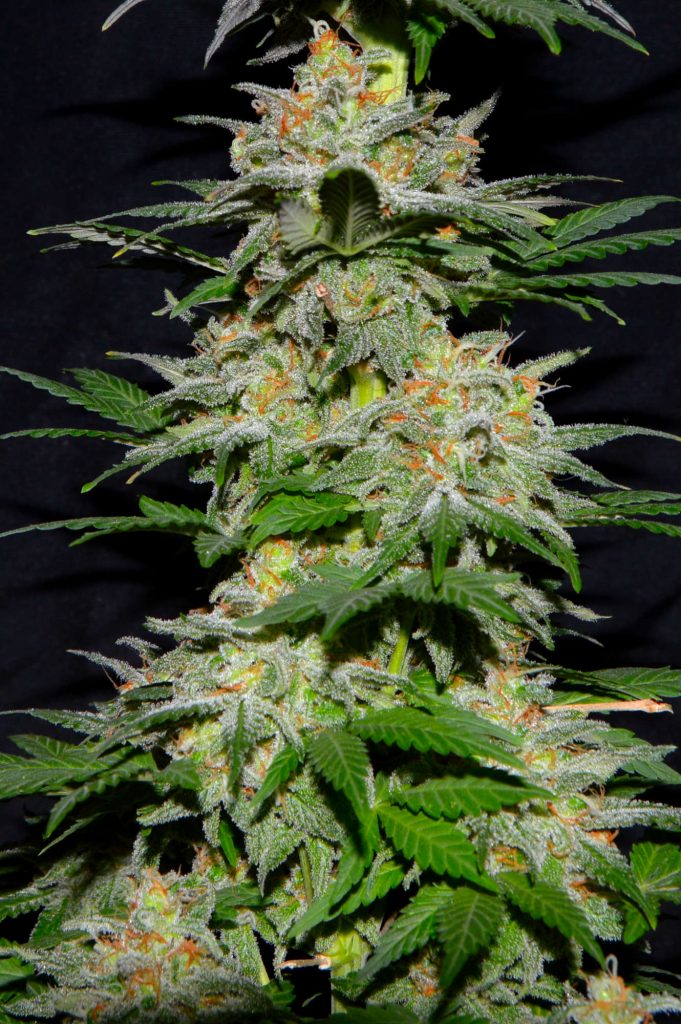
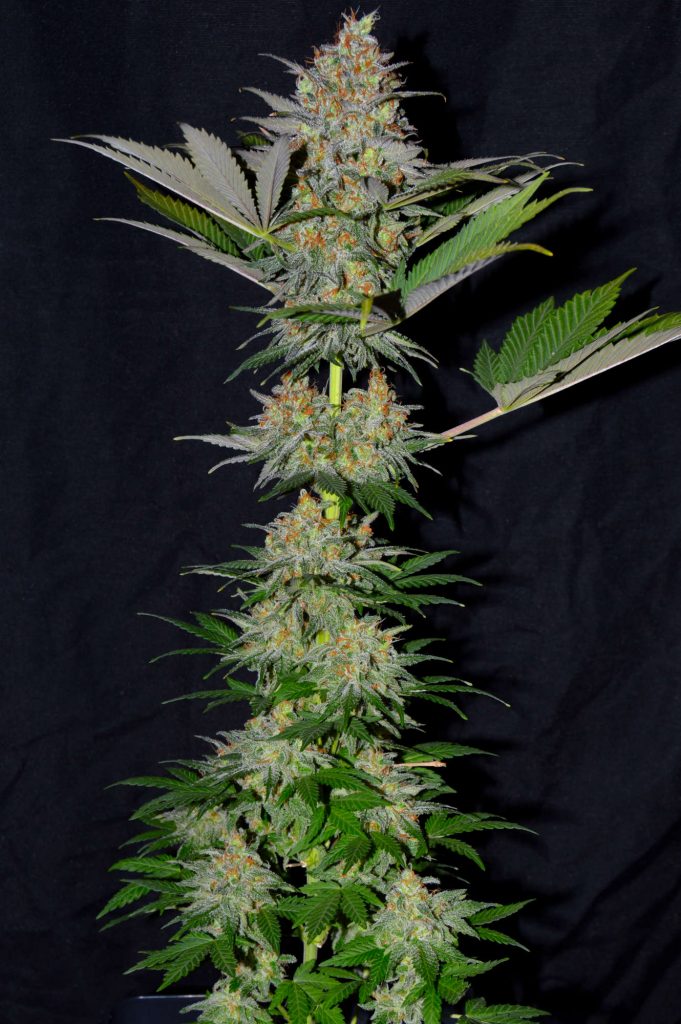
Image: White Widow × AK47 Early Version
Two legendary genetic lines adapted for faster outdoor harvests.
CRITICAL EARLY VERSION: ADAPTING A PROVEN FORMULA
Few varieties have had a greater impact on modern European cannabis cultivation than Critical.
Since its introduction, Critical became synonymous with the qualities many growers value most: vigorous growth, rapid development, high productivity and a cultivation profile that proved accessible to both commercial producers and hobby growers alike. Its ability to deliver abundant harvests within relatively short flowering periods helped establish it as one of the defining varieties of modern indoor and outdoor cultivation.
Part of Critical’s enduring appeal lies in its balance. Rather than excelling in a single area, it successfully combined several desirable characteristics within one genetic package. Strong vegetative growth, reliable flower formation, solid yields and consistent performance allowed it to earn the trust of growers across a wide range of environments.
As cultivation expanded into regions with increasingly unpredictable autumn conditions, breeders began exploring ways to preserve these qualities while improving harvest security for outdoor growers.
This is where the concept of Early Version genetics became particularly valuable.
Critical Early Version was developed to retain the recognisable cultivation characteristics that made the original line so successful while shortening the finishing window. The result is a variety that offers growers greater flexibility when planning outdoor harvests, helping reduce exposure to late-season rainfall, humidity and temperature fluctuations.
Importantly, this adaptation does not seek to reinvent a proven genetic line. Instead, it reflects one of the most practical principles in cannabis breeding: preserving the qualities that growers already trust while improving their suitability for specific cultivation conditions.
In many respects, Critical Early Version illustrates why certain genetics become classics in the first place. Their value is not defined by novelty, but by their ability to remain useful, relevant and dependable as cultivation practices continue to evolve.
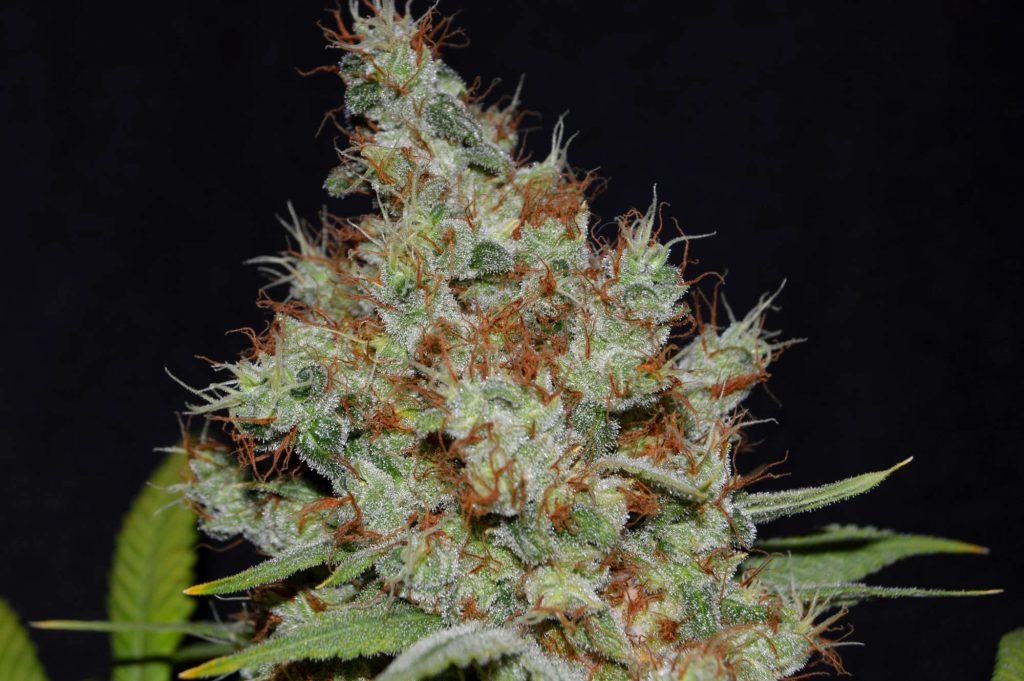
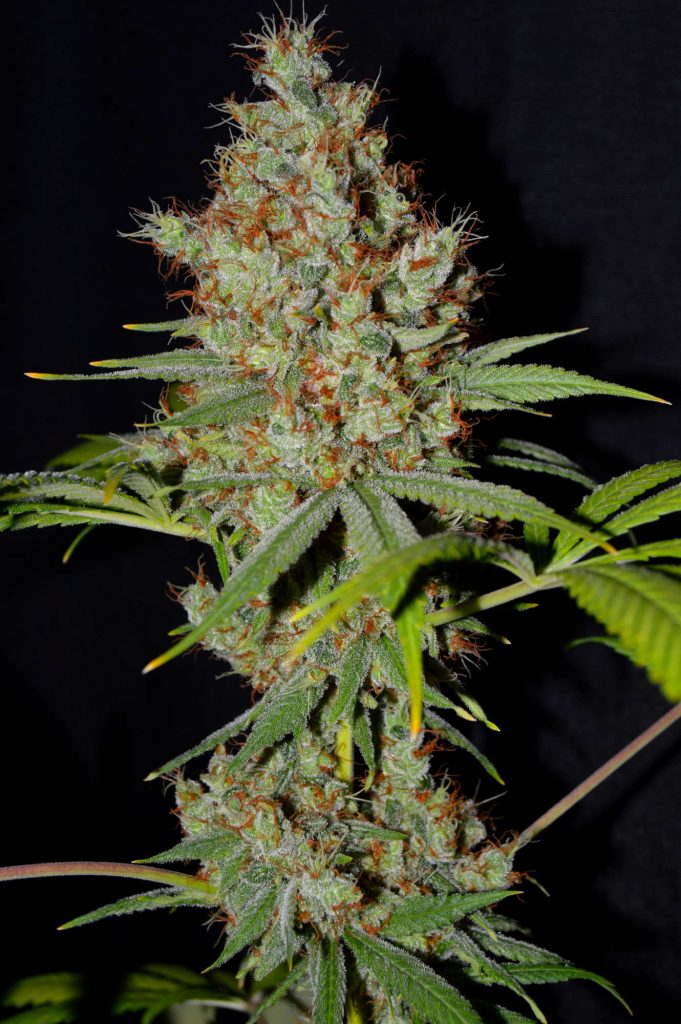
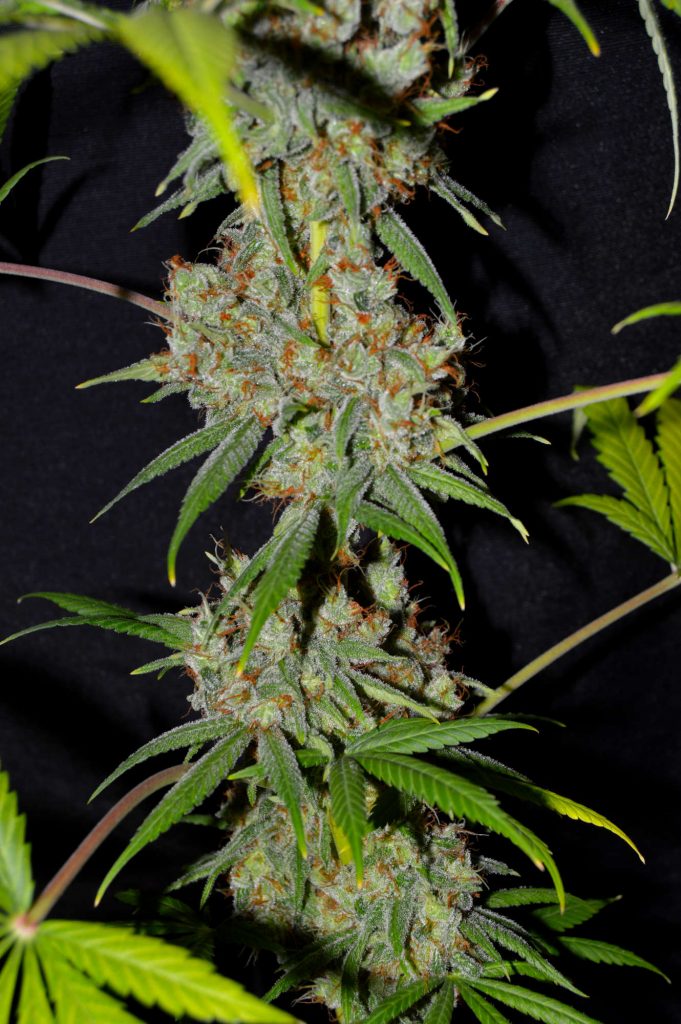
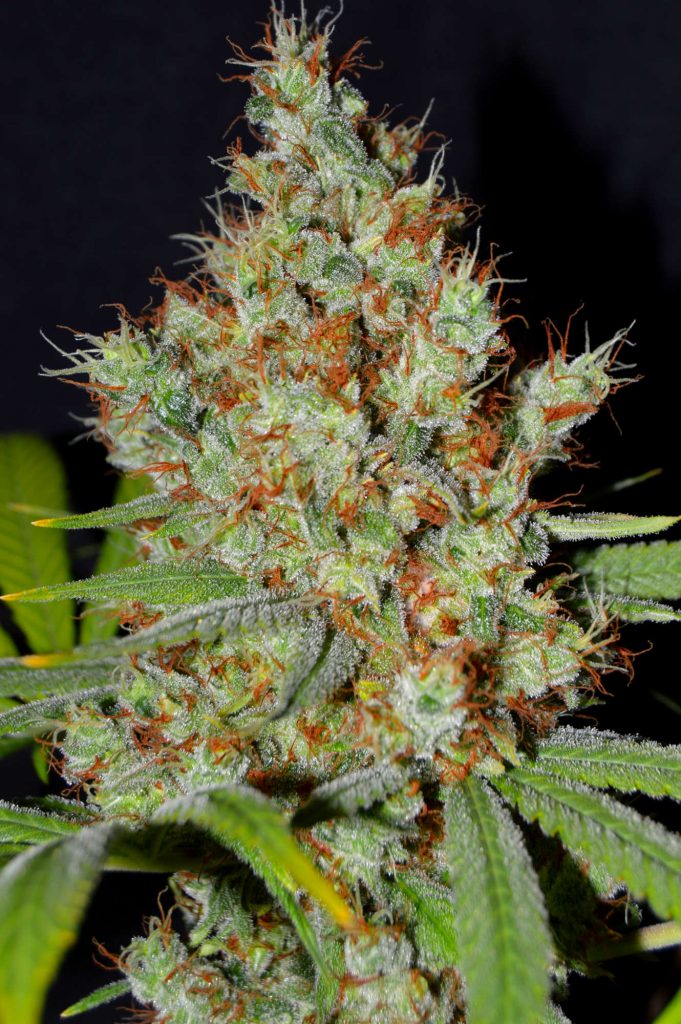
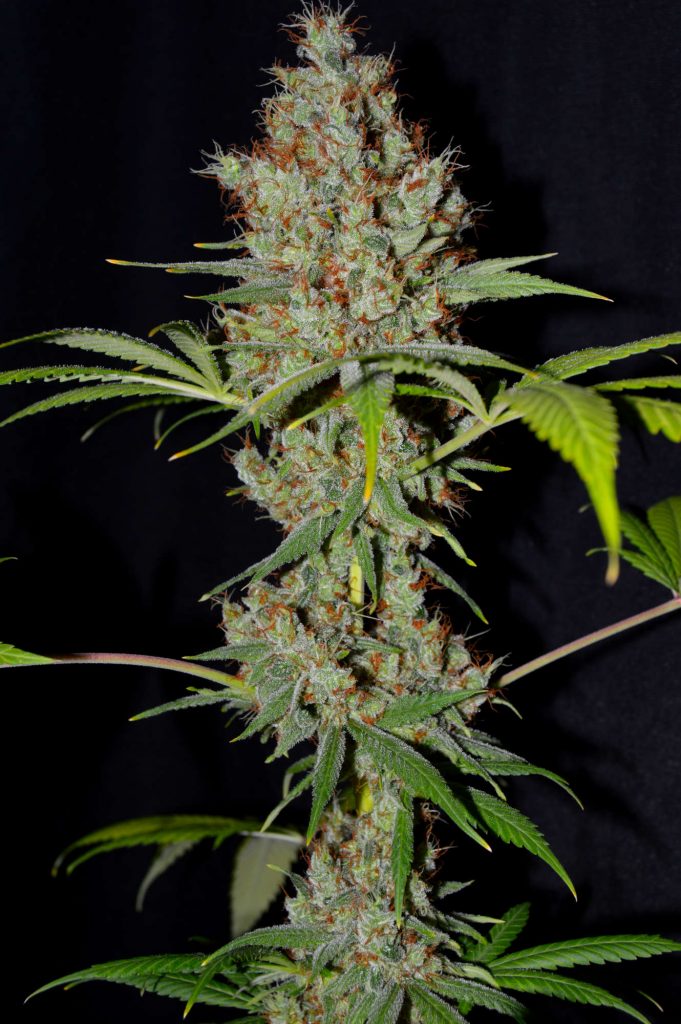
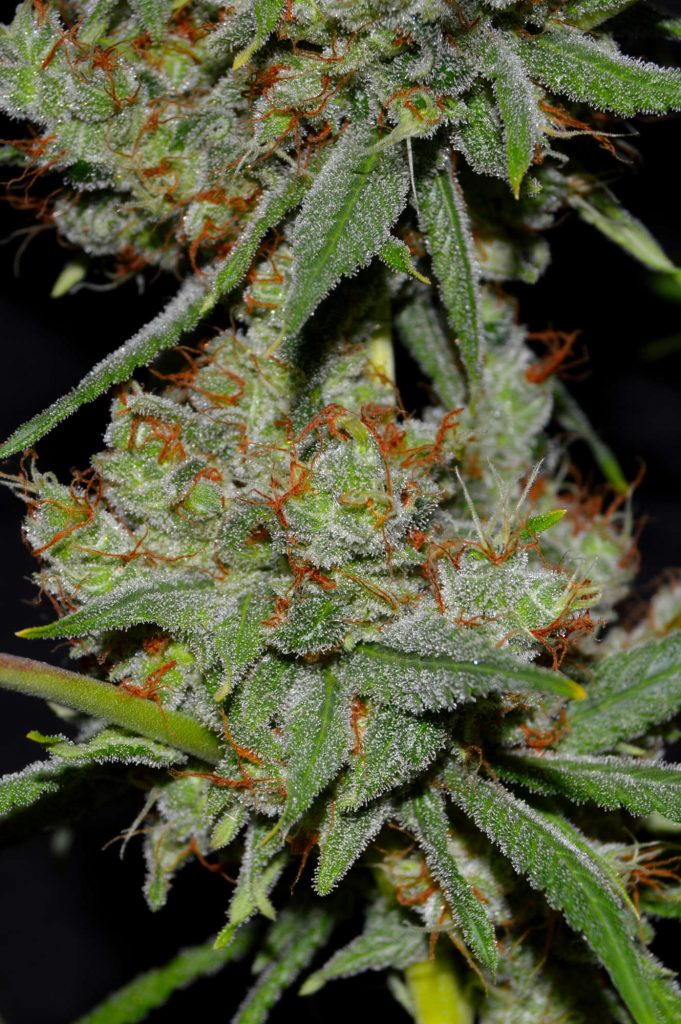
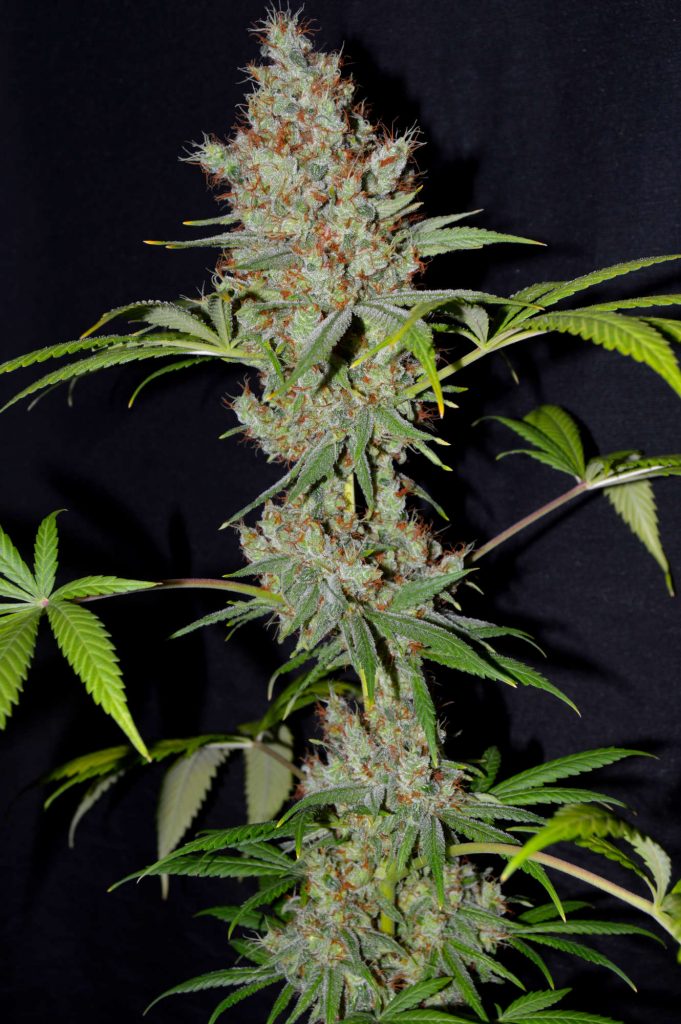
Image: Critical Early Version
A classic favourite adapted for earlier harvests and greater outdoor reliability.
AROMAS THAT NEVER LOSE THEIR APPEAL
Cannabis flavour trends have evolved dramatically over the last two decades.
Modern breeding has introduced an extraordinary diversity of terpene profiles, from candy-inspired varieties and creamy dessert hybrids to increasingly complex combinations of tropical fruit, fuel, citrus and confectionery notes. Today’s growers have access to a wider aromatic spectrum than at any other point in the history of cannabis cultivation.
Yet despite this constant evolution, certain profiles continue to hold a special place among experienced growers and enthusiasts.
The reason is simple: they helped define what cannabis smells and tastes like.
Long before terms such as “candy gas”, “dessert terpenes” or “fruit-forward hybrids” became common throughout the industry, classic genetic lines were already establishing the aromatic foundations upon which much of modern breeding would later be built.
The deep earthy richness associated with traditional Afghan genetics.
The incense, spice and citrus complexity that became synonymous with Haze.
The resinous pine notes found in many old-school hybrids.
The sweet berry character popularised by Blueberry.
The unmistakable blend of floral, woody, herbal and hash-like aromas that defined entire generations of cannabis varieties.
These profiles emerged naturally through decades of selection and adaptation. They were not created to follow market trends. In many cases, they became the reference points from which later trends developed.
Their continued popularity reflects something that extends beyond novelty. Many growers appreciate these aromas because they offer a direct connection to the genetic history of the plant itself. They represent flavours that have been recognised, refined and enjoyed across multiple generations of cultivation.
This does not mean modern terpene profiles are less valuable. On the contrary, contemporary breeding has expanded the sensory possibilities of cannabis in remarkable ways.
But the enduring appeal of classic aromatic profiles demonstrates an important reality of cannabis breeding: while trends evolve, authenticity rarely goes out of style.
Rather than following fashions, many classic varieties established them.
And decades later, their influence can still be detected in countless modern hybrids that continue to build upon the aromatic foundations they helped create.
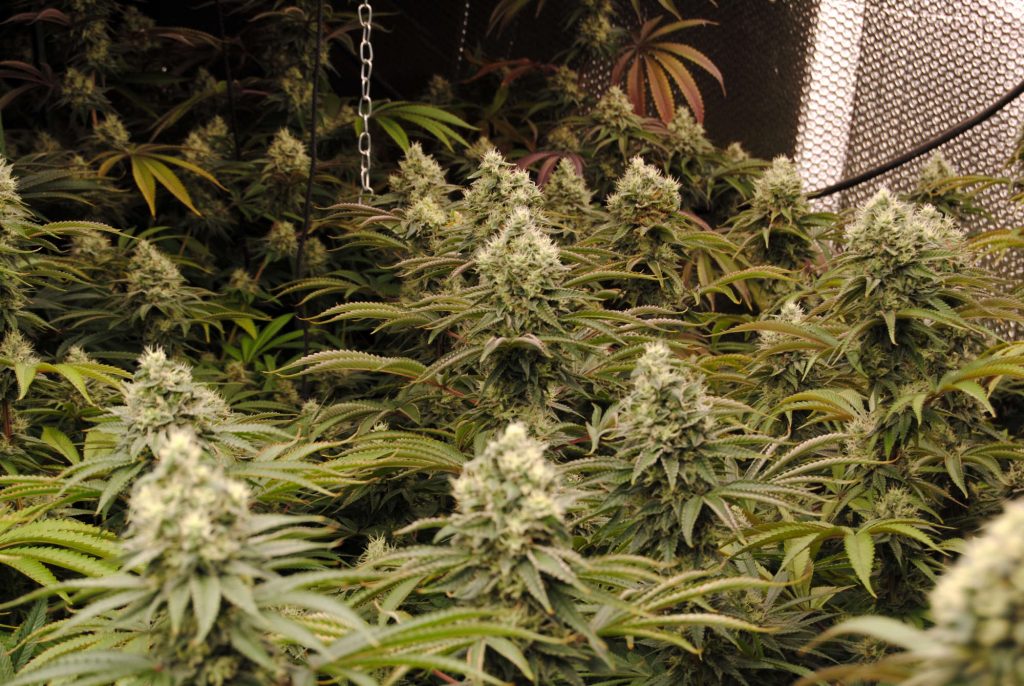
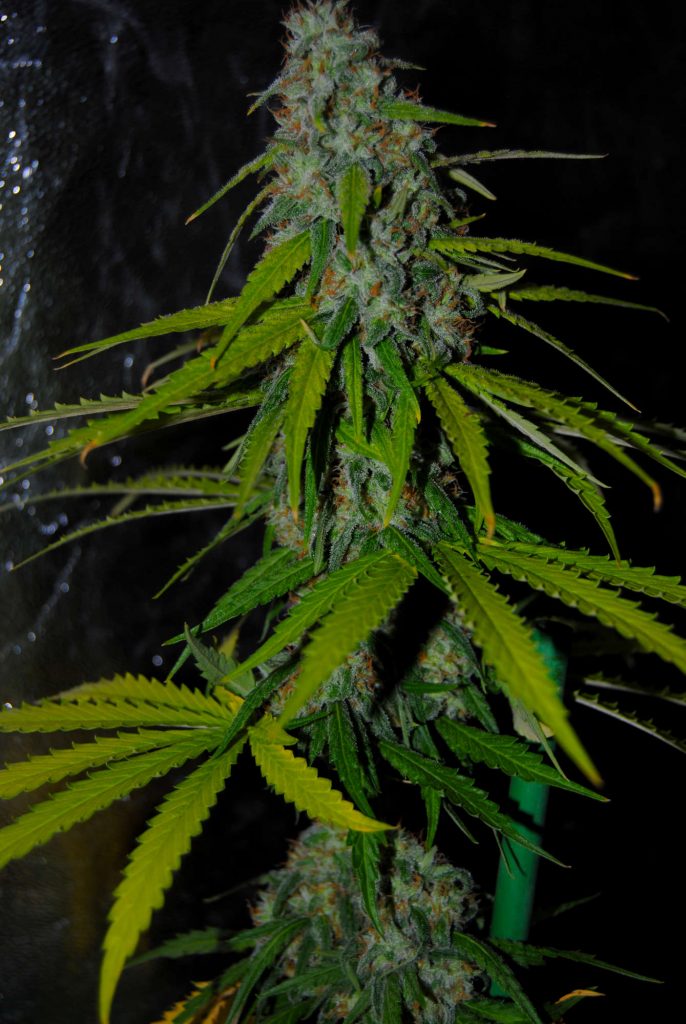
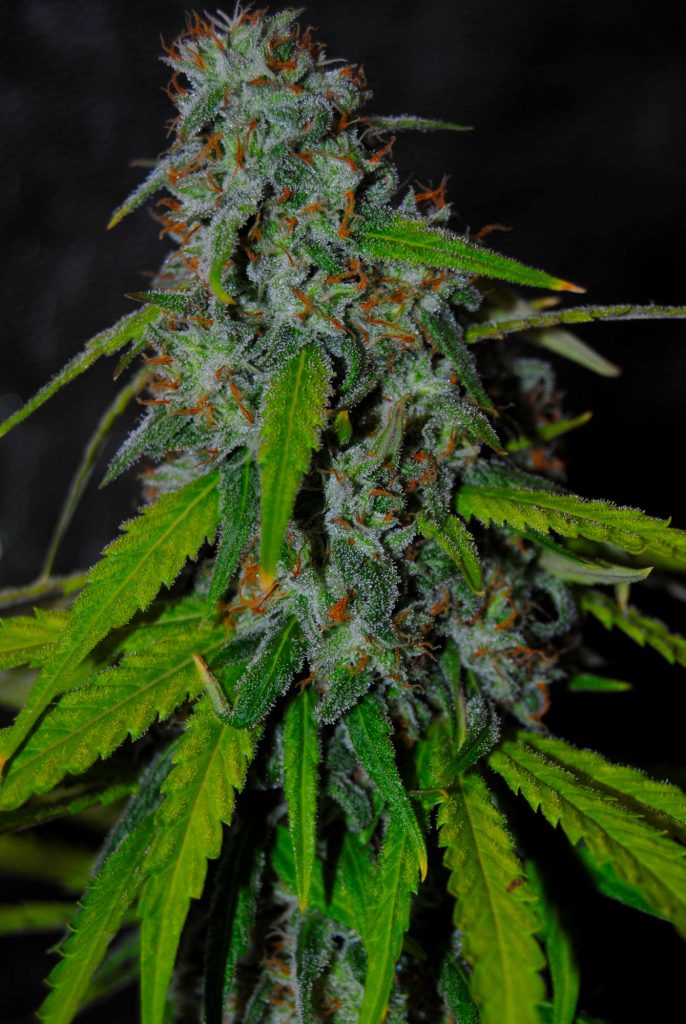
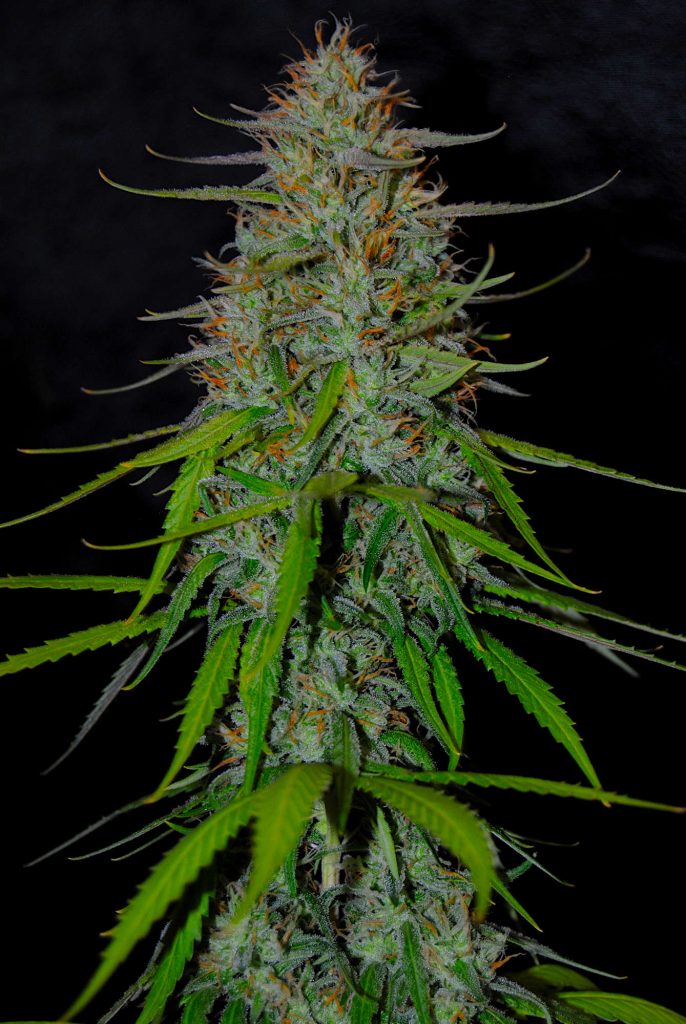
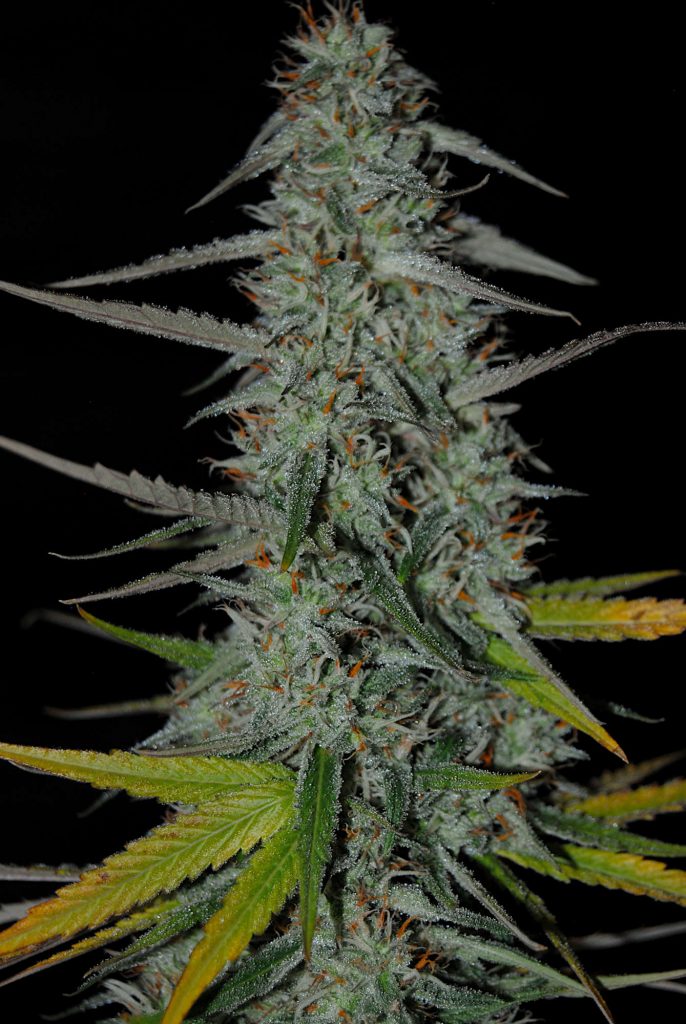
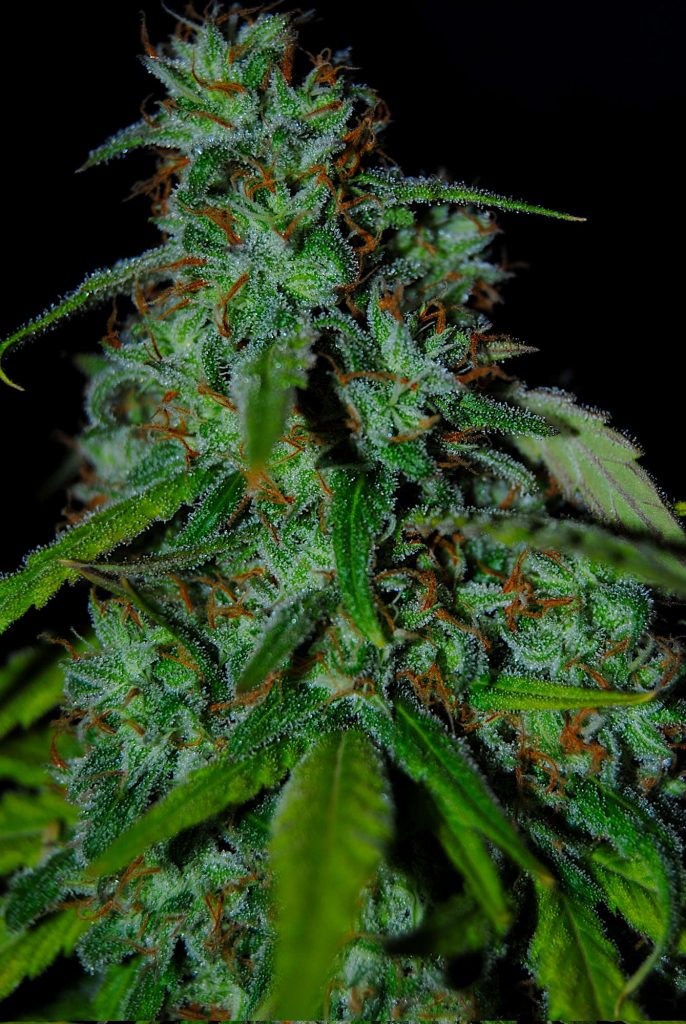
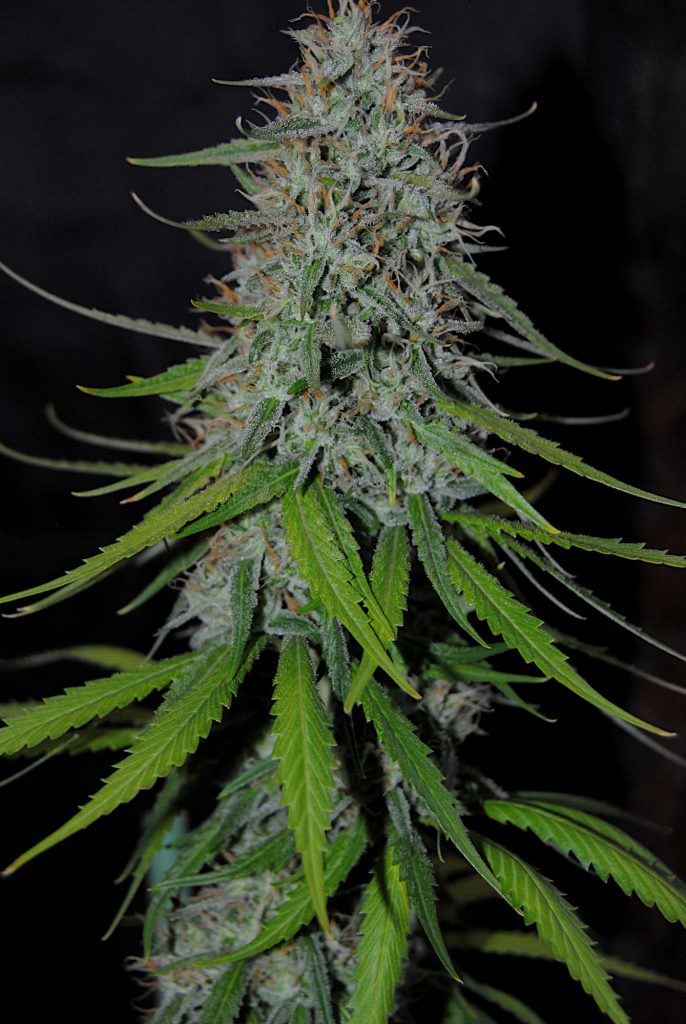
Image: Lemon Pie
Classic foundations interpreted through a bright citrus profile.
THE GREENBUD SEEDS CLASSIC LINE
Every breeder faces the same fundamental question sooner or later:
How much value should be placed on what has already proven itself?
In an industry driven by constant experimentation and the search for new combinations, it can be easy to focus exclusively on what comes next. Yet many of the most important achievements in cannabis breeding were not the result of novelty alone. They emerged through years of selection, observation and refinement, preserving traits that growers continued to value generation after generation.
This philosophy lies at the heart of the Greenbud Seeds Classic Line.
Rather than viewing classic genetics as relics of a previous era, we see them as living foundations of modern cannabis breeding. These are varieties whose value has been tested not in a single cultivation cycle, but across years of real-world cultivation, diverse environments and countless growers.
The objective is not simply to preserve genetics because they are familiar.
It is to preserve genetics because they continue to perform.
Each variety within the Classic Line represents a distinct chapter in the evolution of modern cannabis cultivation. Some are valued for their structural stability and cultivation reliability. Others for their aromatic identity, their adaptability to different growing conditions or their influence on later breeding projects.
The dense, dark character of Black in Black reflects the enduring appeal of carefully preserved indica traits. Jawbreaker 47 demonstrates the lasting influence of Haze-based breeding combined with the productivity and balance that made AK-47 a global reference. Blueberry 99 carries forward one of the most influential fruit-forward lineages in modern cannabis history. White Widow × AK47 Early Version and Critical Early Version illustrate how proven genetics can be successfully adapted to meet the practical demands of contemporary outdoor cultivation.
Together, these varieties represent more than a collection of seeds.
They represent a commitment to continuity, consistency and genetic identity.
For experienced growers, they offer familiar characteristics that have earned trust over years of cultivation. For newer generations, they provide an opportunity to explore some of the genetic foundations that continue to shape the cannabis varieties being developed today.
Because while breeding will always move forward, the strongest innovations are often built upon genetics that have already stood the test of time.
CONCLUSION
The history of cannabis breeding is often told through its newest releases.
Its foundations, however, were built by the genetics that came before them.
Classic varieties remain relevant not because they belong to the past, but because their influence continues to be felt throughout modern breeding. They are part of the genetic framework from which countless contemporary varieties emerged and continue to evolve.
Understanding them means understanding a fundamental part of cannabis itself.

Image: THE GREENBUD FLAVOUR COMPASS