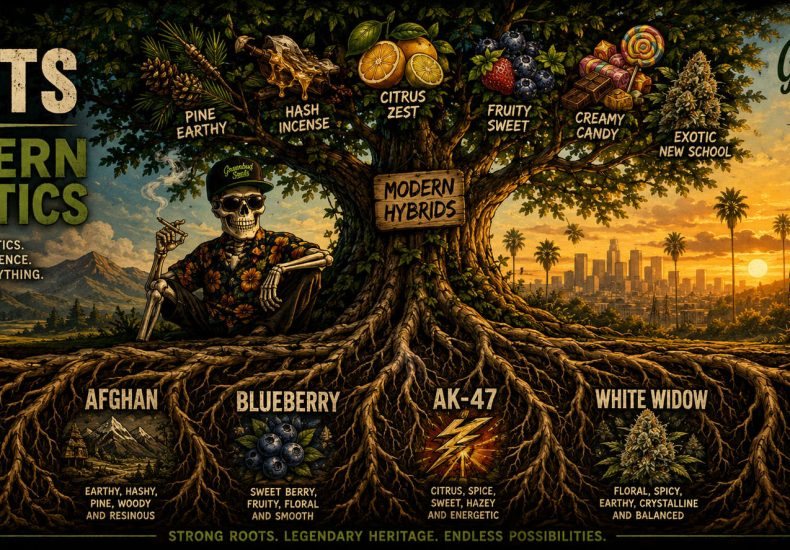
From Blueberry to the New Generation of Fruit-Forward Cannabis
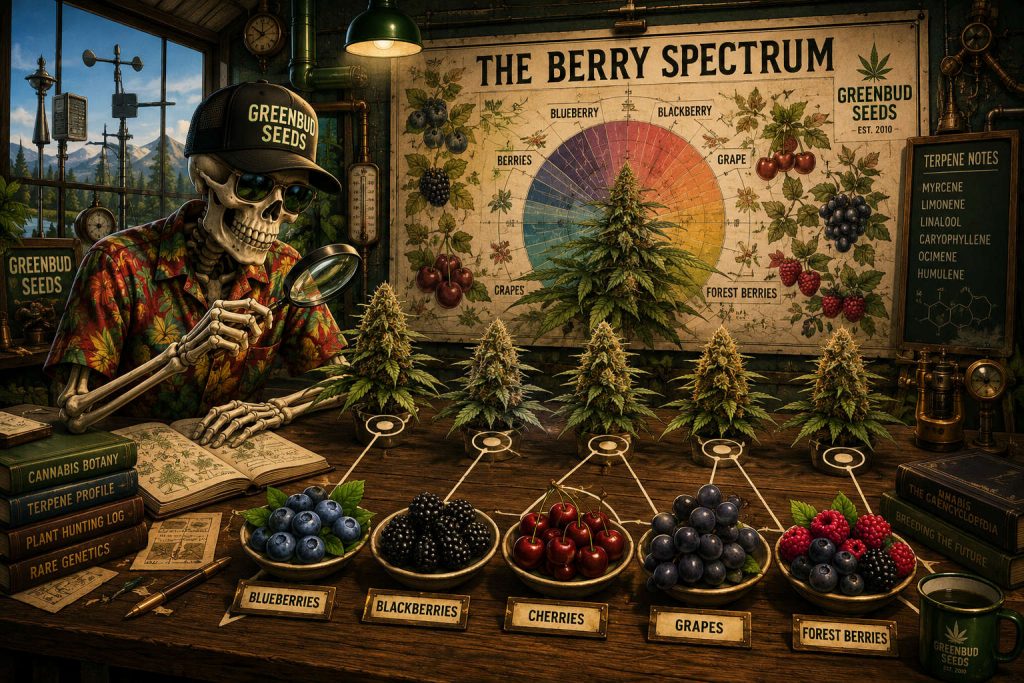
INTRODUCTION
WHY BERRY FLAVOURS NEVER REALLY DISAPPEARED
Walk through almost any modern cannabis catalogue and one trend quickly becomes apparent.
Dessert-inspired hybrids. Candy-like sweetness. Tropical fruit explosions. Gelato derivatives. Creamy terpene profiles and increasingly complex aromatic combinations dominate today’s breeding landscape. Over the past decade, growers have become accustomed to varieties whose identities are defined as much by their flavour as by their cannabinoid content or cultivation performance.
At first glance, berry profiles might seem to have taken a step back, overshadowed by this new generation of highly expressive hybrids.
In reality, the opposite has happened.
Many of today’s most sought-after terpene profiles still carry the genetic influence of the berry family. What has changed is not their importance, but the way breeders combine, refine and reinterpret them. Modern hybrids frequently layer berry notes with citrus, creamy dessert aromas, fuel-like compounds or exotic tropical fruits, creating aromatic profiles that are considerably more complex than those available two or three decades ago.
This evolution reflects one of the defining characteristics of contemporary cannabis breeding. Rather than replacing successful aromatic families, breeders continuously build upon them, combining proven genetic foundations with new selections to expand the range of terpene expression available to growers.
Which raises an interesting question.
What do Blueberry, Blue Zushi, Runtz, Permanent Marker and many of today’s dessert-inspired hybrids still have in common?
The answer is not simply that they are fruity.
It is that they all owe something, directly or indirectly, to a breeding philosophy that transformed the way cannabis breeders thought about fruit.
Long before “dessert strains” became an industry trend, one genetic line demonstrated that fruit-forward aromas could be stable, distinctive and worthy of becoming a primary breeding objective.
That variety was Blueberry.
Its influence extends far beyond its own lineage, helping shape decades of cannabis breeding and inspiring successive generations of hybrids that continue to redefine what berry terpene profiles can become.
Today, whether expressed through the classic sweetness of Blueberry 99, the layered complexity of Blue Hulk, the dessert-inspired character of Midnight Sundae or the darker fruit nuances of Cosmic Noir, berry genetics remain one of the richest and most versatile aromatic families in modern cannabis cultivation.
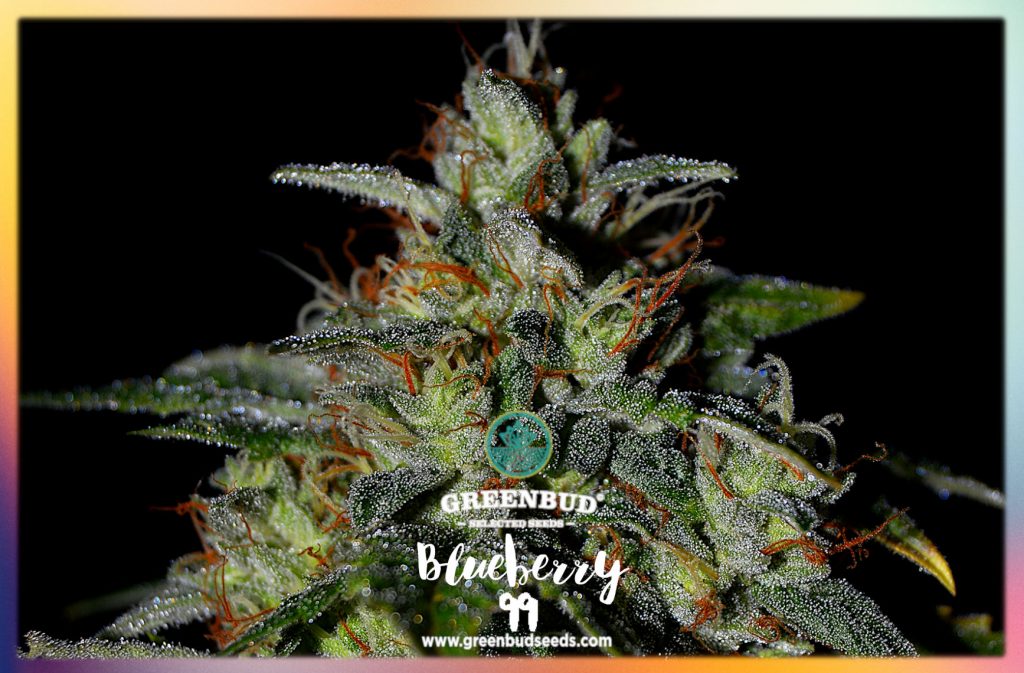
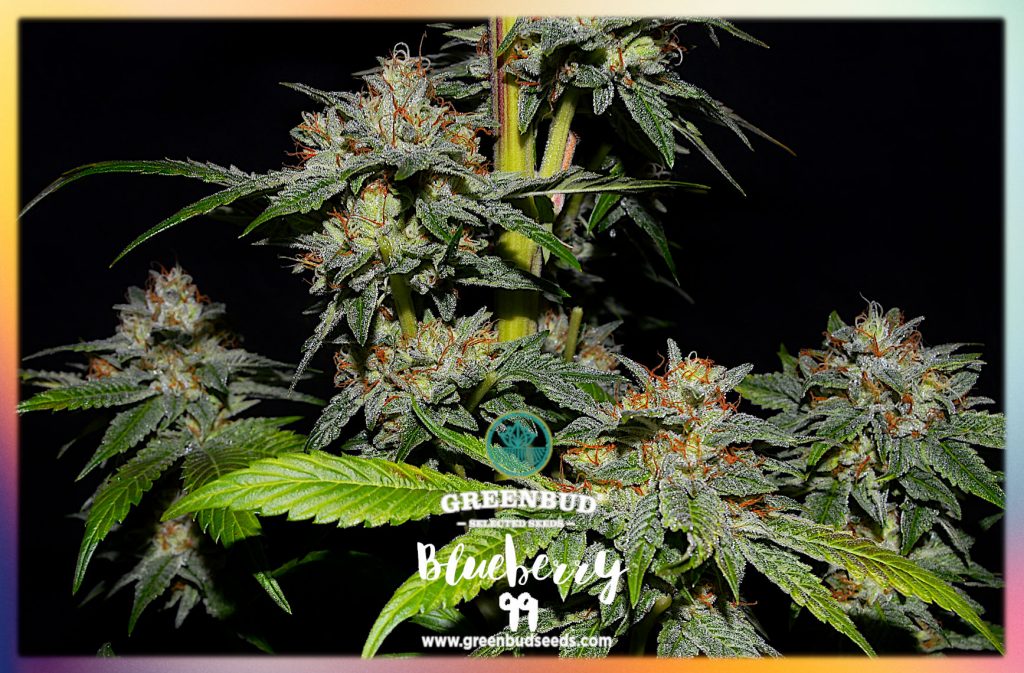
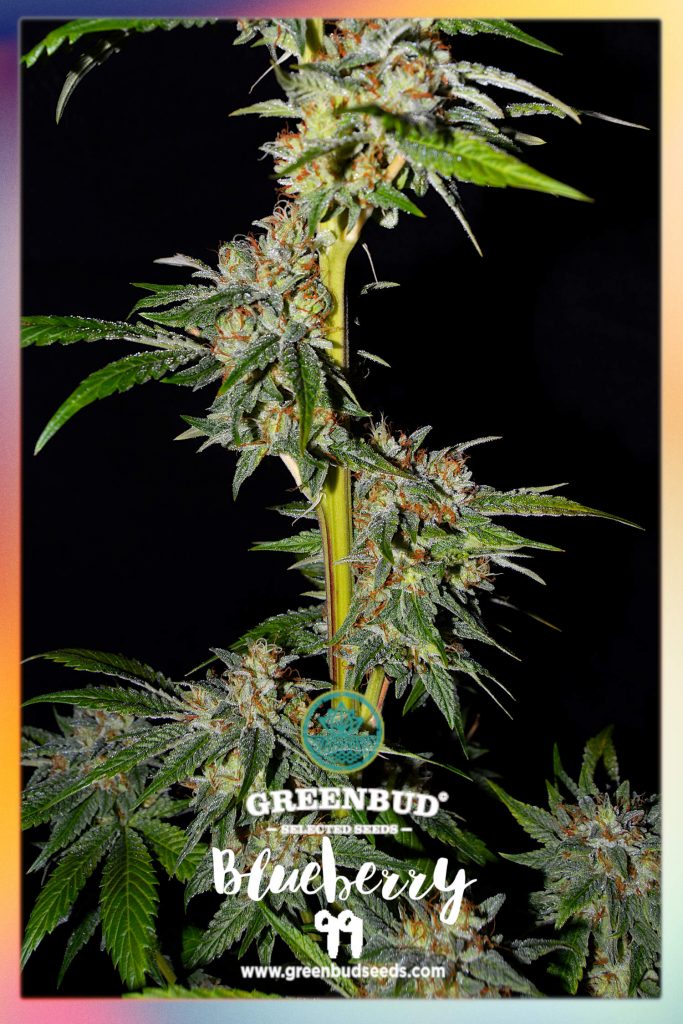
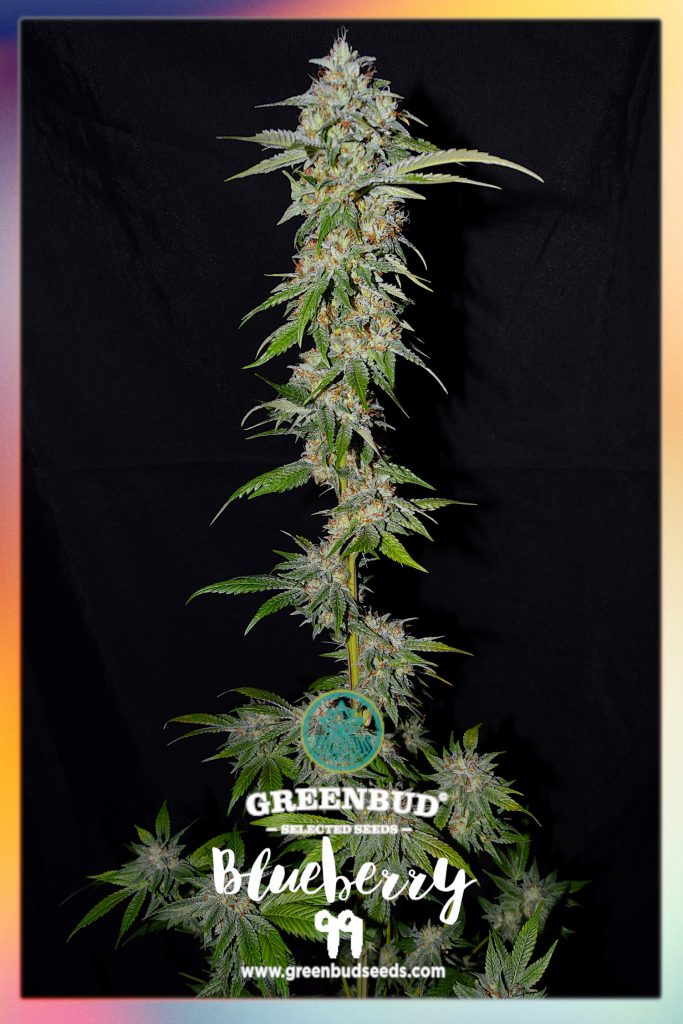
A modern interpretation of one of cannabis breeding’s most influential fruit-forward genetic families.
BLUEBERRY: THE GENETIC THAT CHANGED FRUIT FLAVOURS
Long before dessert hybrids, candy terpenes and fruit-forward cannabis became defining features of the modern market, one breeding project fundamentally changed how growers and breeders perceived aroma.
That project became known as Blueberry.
Developed by the American breeder DJ Short during the late 1970s and early 1980s, Blueberry emerged from years of careful selection involving diverse landrace and heirloom genetics. Although the exact breeding process has never been fully documented, the genetic foundation is widely recognised to include Highland Thai, Purple Thai and an Afghan indica. This combination brought together qualities that were rarely found in a single variety at the time: vigorous growth, colourful flowers, dense resin production and, most importantly, an unusually distinctive fruit-forward aroma.
At a time when many cannabis varieties were valued primarily for potency, yield or flowering performance, Blueberry demonstrated that aroma itself could become a central breeding objective. Rather than producing the earthy, spicy or hash-like profiles that dominated much of the cannabis landscape, it introduced sweet berry notes with remarkable consistency, proving that complex fruit expressions could be stabilised through careful selection rather than appearing as occasional anomalies.
Its influence extended well beyond flavour alone.
The Afghan component contributed compact structure, abundant resin production and reliable flowering behaviour, while the Thai genetics introduced greater aromatic complexity and a broader range of terpene expression. Together, these characteristics created a variety that combined practical cultivation traits with an entirely new sensory identity, inspiring breeders to pursue flavour with the same level of precision traditionally reserved for yield or plant performance.
Over the following decades, Blueberry became one of the most influential parents in modern cannabis breeding. Thousands of hybrids now trace part of their lineage back to this genetic family, either directly or through successive generations of crosses. Its legacy can still be recognised in varieties that express fresh blueberry notes, dark forest fruits, sweet grape, ripe cherry or the layered berry profiles found in many contemporary dessert-inspired hybrids.
Perhaps Blueberry’s greatest contribution, however, was changing the philosophy of cannabis breeding itself.
It demonstrated that terpene expression was not merely an attractive characteristic to preserve, but a trait that could be intentionally selected, refined and passed on to future generations. In doing so, it helped establish the foundations for much of the aromatic diversity that defines modern cannabis breeding today.
Every new berry hybrid released over the past three decades tells part of that story.
Whether subtle or unmistakable, the influence of Blueberry continues to shape the way breeders explore fruit-forward genetics, proving that some of the industry’s most enduring innovations begin with a single exceptional selection.

Blueberry became far more than a successful variety. It established one of the most influential fruit-forward genetic families in modern cannabis breeding.
FROM BLUEBERRY TO MODERN BERRY PROFILES
Three decades ago, describing a cannabis variety as “berry” usually evoked a fairly specific aromatic image: sweet blueberry, soft floral notes and a gentle earthy background inherited from classic Blueberry genetics.
Today, the picture is far more diverse.
Modern breeding has transformed the berry family into one of the broadest and most sophisticated aromatic categories in cannabis. Rather than referring to a single flavour, berry now encompasses a wide spectrum of fruit-forward expressions, each with its own sensory identity and genetic background.
Understanding these differences helps explain why two varieties described as “berry” can offer remarkably different aromatic experiences.
Classic Blueberry
The original Blueberry profile remains one of the easiest to recognise.
It combines ripe blueberry sweetness with subtle floral nuances and a soft earthy foundation. Rather than being intensely sugary, the aroma is typically balanced, smooth and rounded, reflecting the influence of both its Thai and Afghan ancestry.
Forest Berry Profiles
Modern breeding has expanded this concept into darker and more layered expressions.
Instead of highlighting a single fruit, many contemporary varieties evoke a blend of blackberries, raspberries, blueberries and other wild forest fruits. These profiles often feel deeper, slightly richer and more complex, with subtle herbal or floral undertones adding additional depth.
Cherry Expressions
Cherry-forward varieties represent a different aromatic direction altogether.
Many display the rich, ripe fruit character commonly associated with sweet cherries, sometimes accompanied by the almond-like nuances linked to aromatic compounds such as benzaldehyde, a molecule widely recognised in many stone fruits. Within cannabis, these impressions arise from complex interactions between numerous volatile compounds rather than from a single defining molecule.
Grape Profiles
Grape-inspired varieties frequently combine dark fruit sweetness with floral accents and a richer, almost jam-like character.
Compared with classic Blueberry, grape expressions often feel darker, fuller and more concentrated, making them particularly popular in many modern dessert hybrids.
Candy Berry Profiles
Perhaps the newest evolution is the emergence of candy-inspired berry aromas.
Rather than reproducing the smell of fresh fruit, these varieties evoke confectionery, berry syrups or fruit sweets. Their aromatic character often appears brighter, sweeter and more vibrant, reflecting breeding selections that favour increasingly expressive volatile compound combinations found in many contemporary hybrid families.
These categories should not be viewed as isolated flavour groups.
In practice, modern cannabis varieties frequently combine several of them simultaneously, creating layered aromatic profiles where blueberry may merge with citrus, forest berries with creamy dessert notes, or grape with fuel, floral or tropical influences.
This growing complexity reflects advances in cannabis breeding as much as advances in analytical chemistry.
Today, breeders understand that terpene expression is shaped by interactions between numerous compounds rather than by individual terpenes acting in isolation. Molecules such as myrcene, limonene, linalool, β-caryophyllene, ocimene and humulene all contribute to the overall aromatic profile, but their influence depends on relative concentration, the presence of other volatile compounds and the unique biochemical composition of each variety.
For this reason, two varieties with broadly similar terpene analyses can still produce surprisingly different aromatic impressions.
Ultimately, what growers describe simply as “berry” is not a single flavour at all.
It is an entire aromatic family that continues to evolve through every new generation of cannabis breeding.

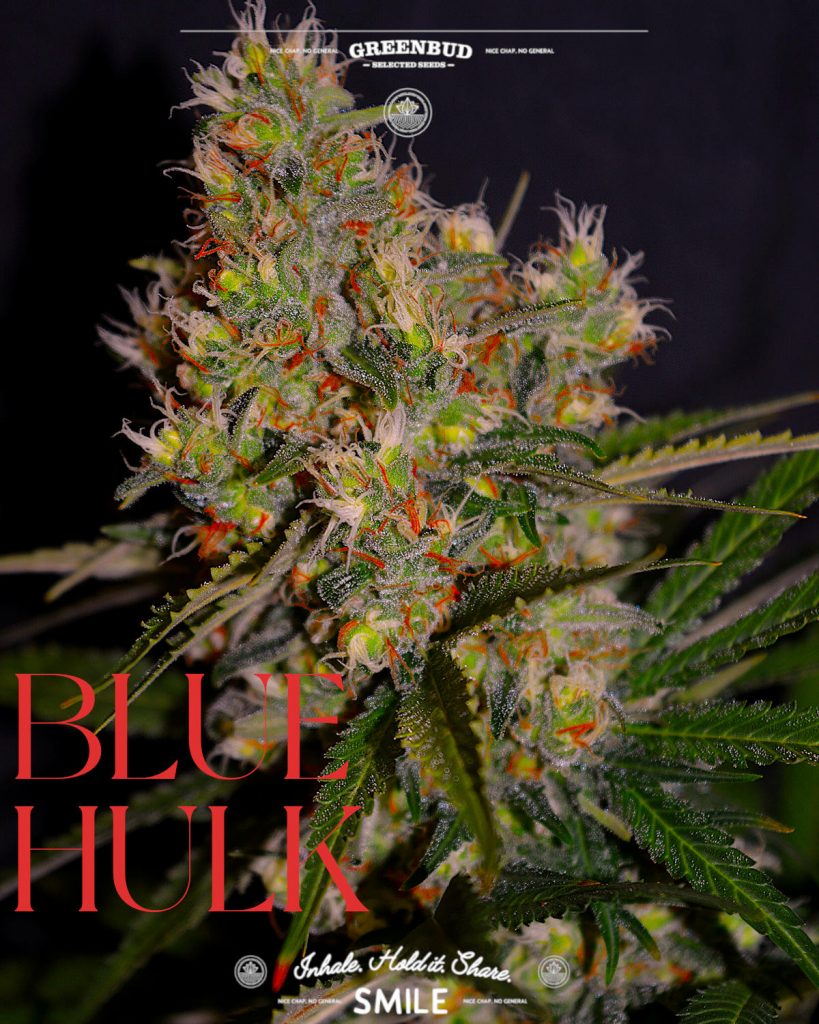

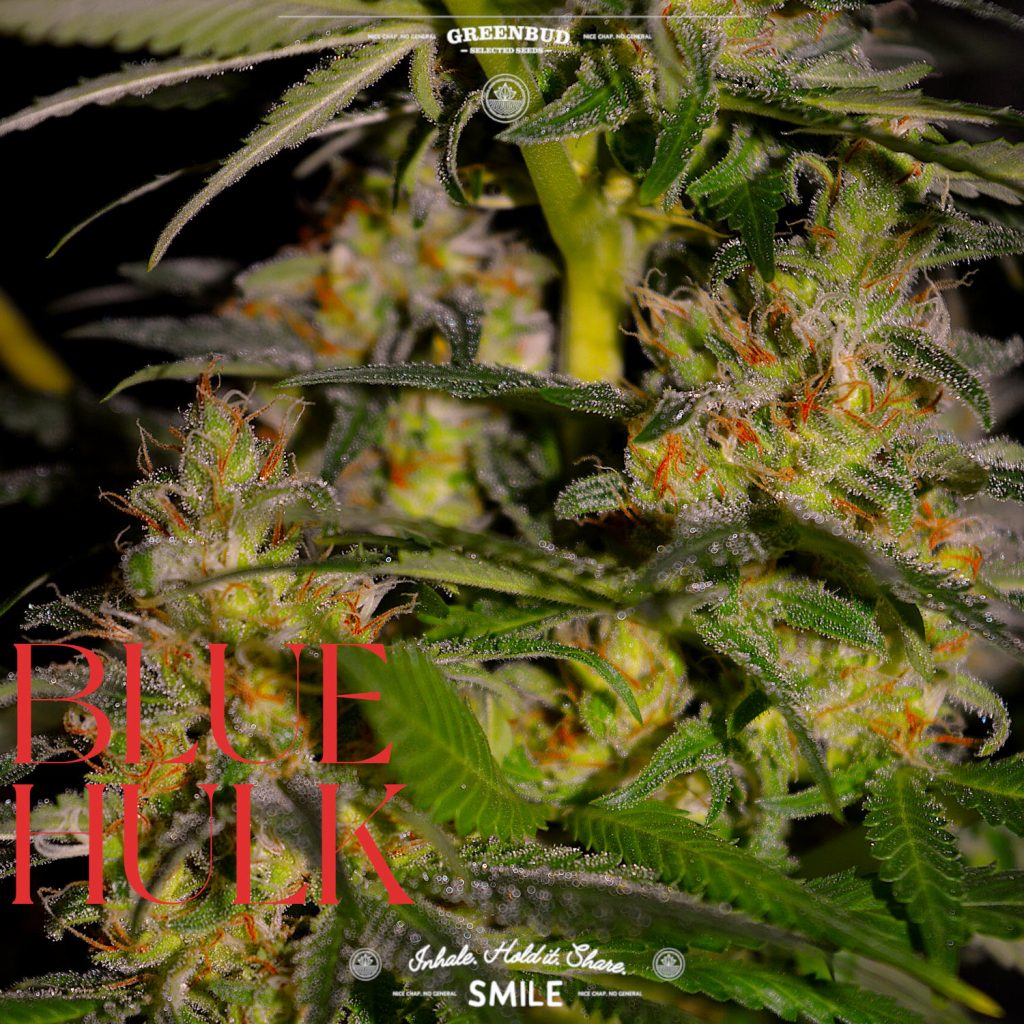
Berry genetics continue to evolve through modern breeding, combining classic fruit-forward foundations with increasingly complex terpene expressions.
WHAT TODAY’S GROWERS ARE LOOKING FOR
Over the past decade, the European cannabis seed market has undergone a remarkable transformation.
As legal cultivation has expanded in several countries and access to genetics has become increasingly diverse, growers have also become more selective in what they expect from a variety. Markets such as Germany, Spain, the Netherlands and the United Kingdom continue to shape many of the breeding trends seen across Europe, with experienced cultivators placing greater emphasis on aroma complexity alongside cultivation performance and cannabinoid content.
One of the clearest changes has been the evolution of berry profiles.
Where a straightforward blueberry aroma was once considered distinctive enough on its own, today’s growers often look for terpene expressions that feel more layered, more defined and more persistent throughout cultivation and consumption.
Rather than seeking sweetness alone, many cultivators now appreciate aromatic profiles that balance fruit with additional dimensions, creating greater depth and complexity.
Some of the combinations that have gained particular popularity include:
- Berry + Gas, where ripe fruit is contrasted by pungent fuel-like notes.
- Berry + Cream, producing softer dessert-inspired profiles with greater richness.
- Berry + Citrus, combining bright freshness with sweet fruit character.
- Berry + Floral, adding elegance and aromatic lift to darker berry foundations.
These combinations illustrate an important shift in modern cannabis breeding.
Breeders are no longer selecting for individual flavours in isolation. Instead, they seek aromatic compositions in which multiple volatile compounds interact to produce layered sensory experiences that continue to evolve from the first opening of the flowers through drying, curing and final consumption.
This growing appreciation for aromatic complexity has also influenced the way modern berry genetics are developed.
Rather than replacing the classic Blueberry profile, breeders continue to use it as a foundation, introducing complementary terpene expressions through carefully selected crosses that expand its aromatic range while preserving the recognisable fruit character that made it so influential in the first place.
For growers, this means berry genetics have never been more diverse.
The question is no longer whether a variety smells like berries.
It is which interpretation of berry it offers.

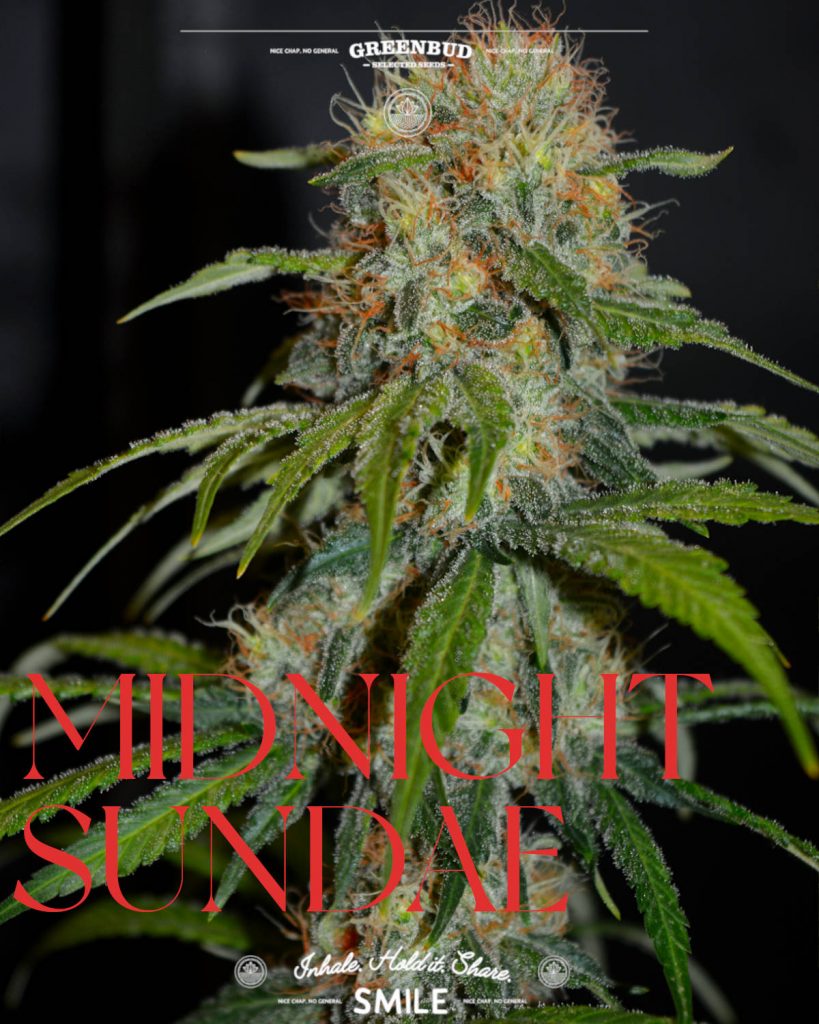



A contemporary interpretation of layered dessert and berry terpene expression
THE GREENBUD SEEDS BERRY COLLECTION
The evolution of berry genetics did not stop with Blueberry.
As breeding techniques advanced and the range of available genetics expanded, fruit-forward profiles became increasingly diverse, allowing breeders to explore new aromatic combinations while preserving the recognisable character that made classic berry varieties so influential.
Within the Greenbud Seeds collection, several varieties illustrate different interpretations of this aromatic family. Rather than representing a single flavour profile, they demonstrate how berry genetics can evolve while maintaining a common genetic philosophy rooted in careful selection and stable breeding.
Blueberry 99
The closest link to the classic berry tradition.
Blueberry 99 preserves the unmistakable influence of traditional fruit-forward breeding, combining sweet berry character with the balanced, rounded aromatic profile that established Blueberry as one of the most influential parents in cannabis history. It represents the foundation upon which many modern berry hybrids continue to build.
Blue Hulk
A contemporary interpretation of berry complexity.
Rather than reproducing a single fruit expression, Blue Hulk layers berry notes with greater aromatic depth, reflecting the direction taken by modern breeding programmes that seek richer, more multidimensional terpene profiles without losing genetic stability.
Midnight Sundae
Where berry genetics meet dessert breeding.
Midnight Sundae illustrates how classic fruit-forward foundations can be expanded through modern selections, producing an aromatic profile that combines ripe berry nuances with creamy dessert-inspired characteristics, creating a profile that feels both familiar and distinctly contemporary.
Cosmic Noir
A darker expression of the berry family.
Cosmic Noir explores the deeper side of fruit-forward breeding, bringing together forest berries, dark fruit nuances and subtle floral complexity. Rather than emphasising sweetness alone, it demonstrates how modern berry genetics can achieve greater richness and sophistication through carefully balanced aromatic layers.
Together, these varieties reflect a broader evolution in cannabis breeding.
They are not attempts to recreate Blueberry.
They are examples of how one of the industry’s most influential genetic families continues to inspire new selections, new terpene combinations and new interpretations for a new generation of growers.

From classic Blueberry foundations to modern berry-inspired hybrids, each variety represents a different interpretation of one of cannabis breeding’s most enduring aromatic families.
WHY BERRY PROFILES CONTINUE TO INSPIRE MODERN BREEDING
Cannabis breeding has never stood still.
Each new generation of hybrids introduces fresh combinations, broader terpene diversity and increasingly sophisticated aromatic profiles. Yet some genetic families continue to remain at the heart of this evolution, not because they resist change, but because they adapt to it.
Berry genetics are one of the clearest examples.
They are not making a comeback because they never truly disappeared. Instead, they have evolved alongside cannabis breeding itself, serving as a foundation upon which breeders continue to build increasingly complex aromatic expressions.
Whether expressed through the balanced sweetness of classic Blueberry, the layered richness of forest fruits, the depth of dark grape notes or the refinement of modern dessert-inspired hybrids, berry profiles continue to demonstrate remarkable versatility across different genetic backgrounds.
Their enduring influence is a reminder that successful breeding is rarely about replacing great genetics.
More often, it is about understanding them, preserving their strengths and allowing them to evolve through thoughtful selection and responsible breeding.
That is why berry genetics remain one of the most enduring and inspiring aromatic families in modern cannabis.
Not because they belong to the past.
Because they continue to shape its future.

From Blueberry to today’s modern hybrids, berry genetics continue to inspire new generations of cannabis breeding through careful selection, stable genetics and an enduring passion for aromatic diversity.
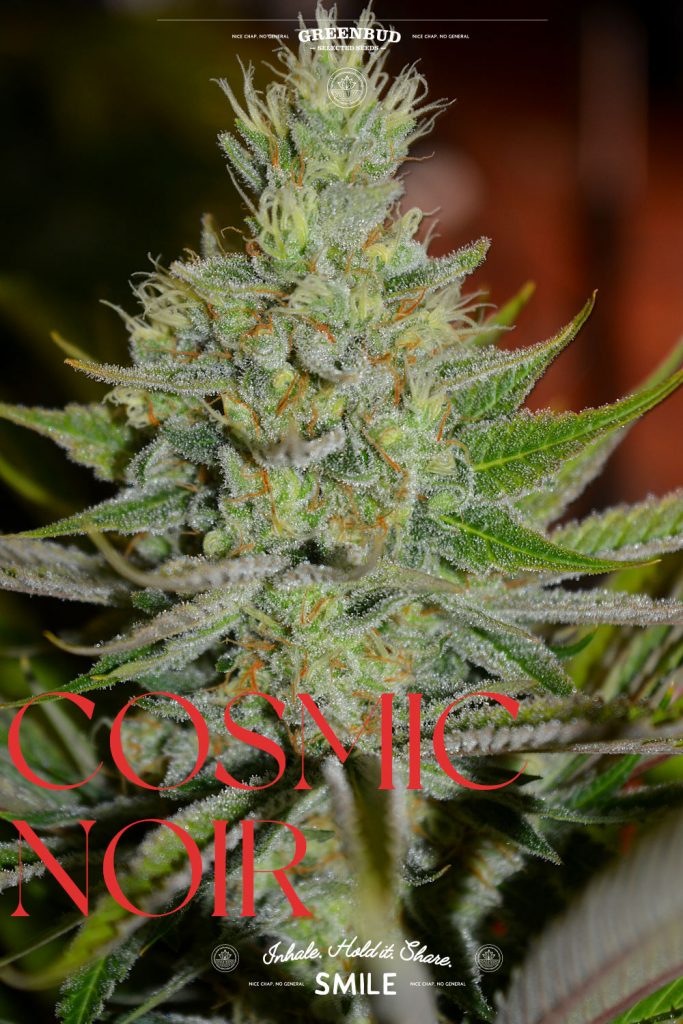
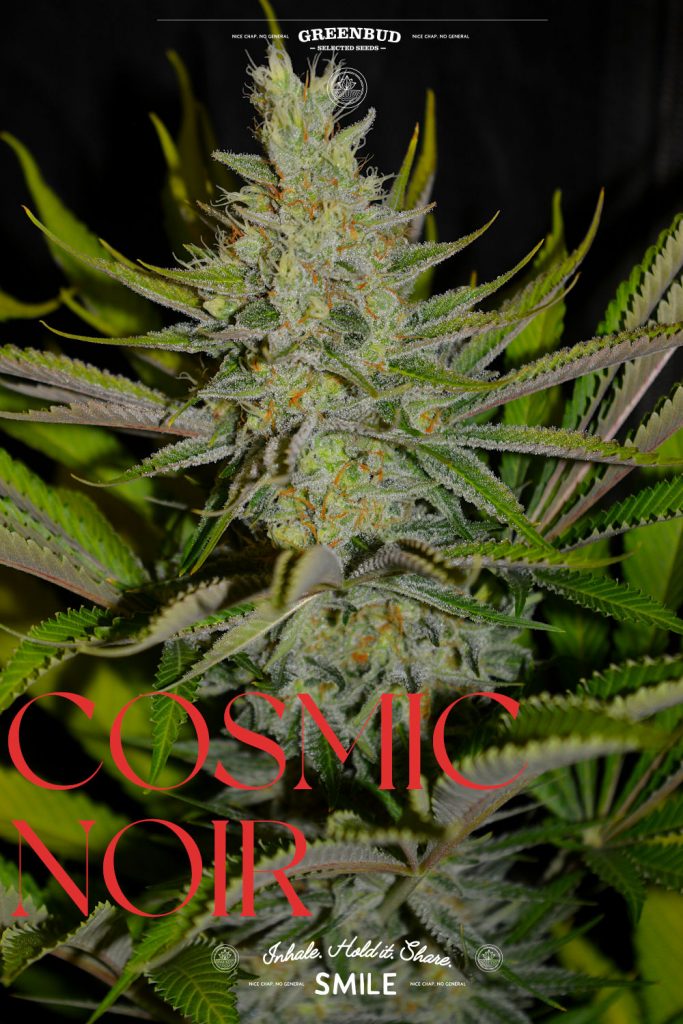
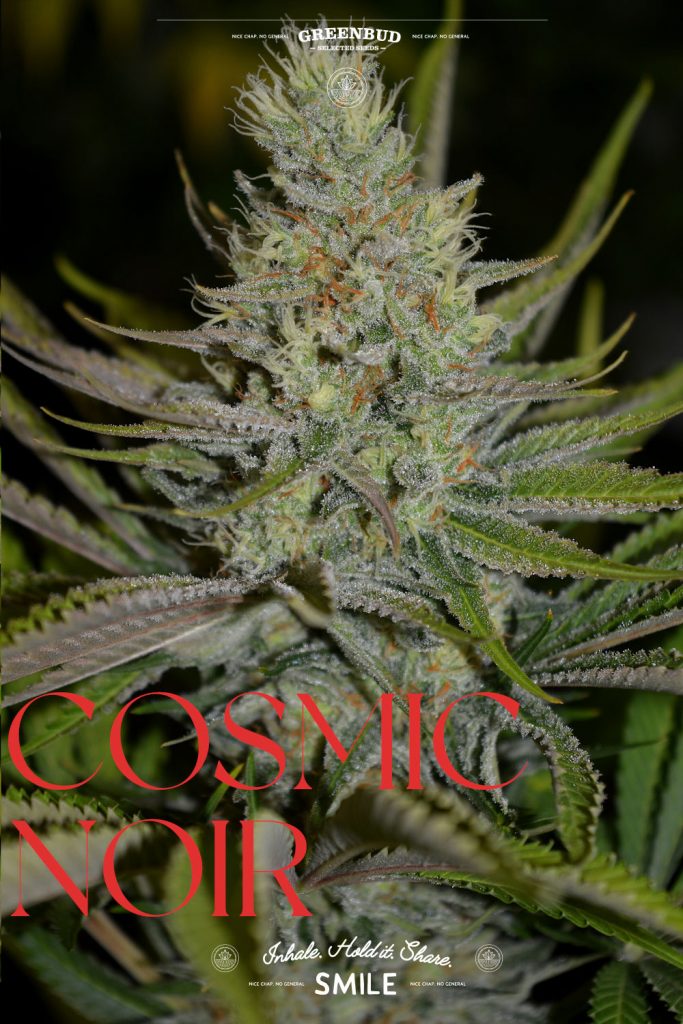
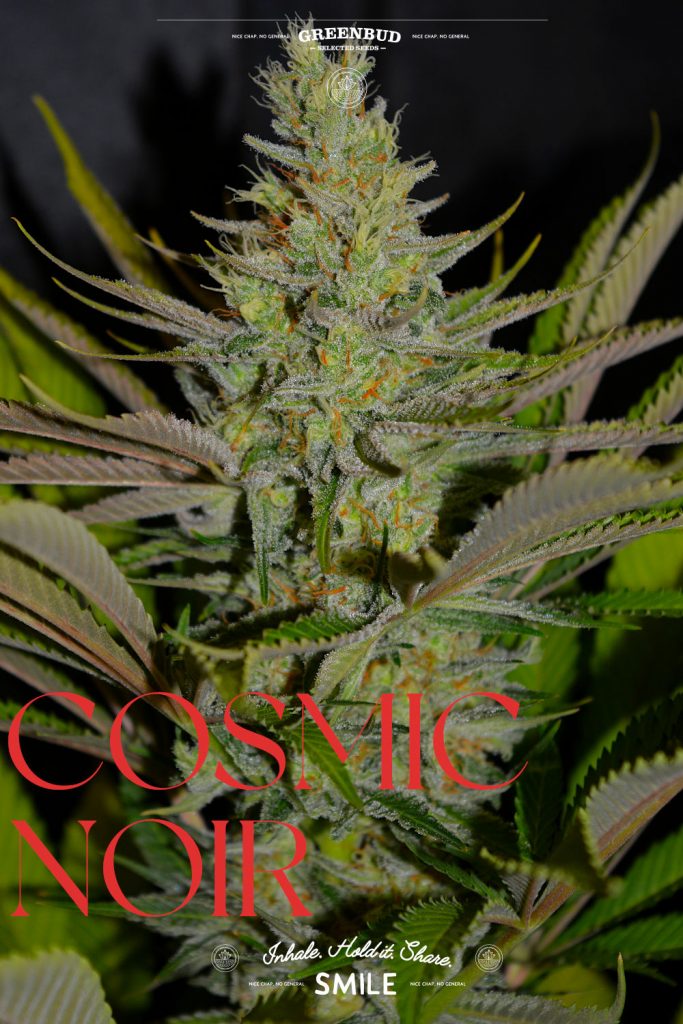
From classic Blueberry foundations to contemporary dark fruit expressions, Cosmic Noir illustrates how berry genetics continue to evolve through thoughtful selection and modern breeding.